Natural disasters, such as hurricanes, wildfires and tornadoes, are a part of life. In an instant, they can cause damage to your personal property, business, farm or ranch. Nationwide® is here to help you understand the various types of natural disasters that can occur, how to prepare for them and what to expect from our loss control and claims services.
Review the articles and videos below for tips and information on how to be prepared.
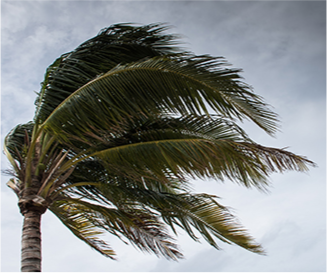
Protect your home, car and loved ones with real-time weather alerts.
Sign up now
The road to recovery after severe weather strikes
Weather-related catastrophes continue to grow. In 2025, financial losses from natural disasters in the United States were approximately $141 billion.1 Globally these disasters totaled $260 billion in 2025.1
At Nationwide, we know the time immediately following a damaging storm is challenging. You can count on us for resources, information and important next steps to support you, your family and your business.
Want more information?
We work with organizations and agencies who have a focus on disaster response and helping affected communities to cope and rebuild.
1. Safety should always come first.
Always follow the recommendations of your local authorities including evacuation orders, warnings, boil advisories, etc.
Wait to enter damaged buildings until authorities declare them safe
Stay away from downed power lines and report them to the electric company
2. Be cautious around floodwater.
Avoid driving in flooded areas as cars can be swept away or stall in moving water
Wear a life jacket if you are near floodwater
Wash your hands with soap and water if you are exposed to floodwater
Never use wet electrical devices
3. Use flashlights instead of candles.
If the power is out, use flashlights instead of candles
If you must use candles, keep them away from flammable materials; always closely monitor lit candles
Have a fire extinguisher on standby and ensure that your family members know how to properly use it
4. Prevent carbon monoxide poisoning.
Avoid generators and other equipment powered by fuel that produces carbon monoxide, an odorless and deadly gas
Never use any product powered by gasoline or coal indoors
Ensure that your carbon monoxide detector has a battery backup
5. Make sure you have ample supplies.
Ensure that you have supplies for several days without power
Be aware of your specific needs, such as medications and pet supplies, etc.
6. Protect yourself from insects.
Use insect repellent with DEET or picaridin
7. Document damage and protect property.
When it is safe, take photos or video of the damage to your home, vehicle or property
If you can, complete any temporary repairs needed to prevent further damage, but if safety is a concern, hire a professional
Save all your receipts for future review, and if you must dispose of damaged property, take photos of the property first
8. Be aware of predatory contractors.
Do your research on any unsolicited offers or quotes for storm damage repair
Ensure that any contractor you engage with is properly licensed in your area and fully insured
Nationwide customers who need help finding a contractor can ask their claims associate about our On Your Side® Property Repair Network or Auto Repair Network
9. Gather critical documents.
Compile all critical insurance and property documents
10. Be patient, as recovery will take time.
Remember to stay hydrated, rest frequently and ask for help when needed
1. Safety should always come first.
Always follow the recommendations of your local authorities including evacuation orders, warnings, boil advisories, etc.
Wait to enter damaged buildings until authorities declare them safe
Stay away from downed power lines and report them to the electric company
2. Safely return to your property.
Confirm with authorities that it is safe to return to your property; authorities may say you should evacuate the area
3. Make sure you have ample supplies.
Ensure that you have supplies for several days without power
Be aware of your specific needs, such as medications and pet supplies, etc.
4. Be cautious around floodwater.
Avoid driving in flooded areas as cars can be swept away or stall in moving water
Wear a life jacket if you are near floodwater
Wash your hands with soap and water if you are exposed to floodwater
Never use wet electrical devices
5. Use flashlights instead of candles.
If the power is out, use flashlights instead of candles
If you must use candles, keep them away from flammable materials; always closely monitor lit candles
Have a fire extinguisher on standby and ensure that your family members know how to properly use it
6. Prevent carbon monoxide poisoning.
Avoid generators and other equipment powered by fuel that produces carbon monoxide, an odorless and deadly gas
Never use any product powered by gasoline or coal indoors
Ensure that your carbon monoxide detector has a battery backup
7. Protect yourself from insects.
Use insect repellent with DEET or picaridin
8. Document damage and protect property.
When it is safe, take photos or video of the damage to your home, vehicle or property
If you can, complete any temporary repairs needed to prevent further damage, but if safety is a concern, hire a professional
Save all your receipts for future review, and if you must dispose of damaged property, take photos of the property first
9. Be aware of predatory contractors.
Do your research on any unsolicited offers or quotes for storm damage repair
Ensure that any contractor you engage with is properly licensed in your area and fully insured
Nationwide customers who need help finding a contractor can ask their claims associate about our On Your Side® Property Repair Network or Auto Repair Network
10. Gather critical documents.
Compile all critical insurance and property documents
11. Be patient, as recovery will take time.
Remember to stay hydrated, rest frequently and ask for help when needed
1. Safety should always come first.
Always follow the recommendations of your local authorities including evacuation orders, warnings, boil advisories, etc.
Wait to enter damaged buildings until authorities declare them safe
Stay away from downed power lines and report them to the electric company
2. Stay aware of the weather.
Monitor weather updates provided by local and national authorities
3. Prepare for winter weather.
Conserve food and water
Ensure that you have supplies for several days without power
Be aware of your specific needs, such as medications and pet supplies, etc
Compile all critical insurance and property documents
4. Prevent freezing pipes and water damage.
Take steps to prevent water pipes and equipment from freezing
Turn faucets to a slow drip, evacuate water from exposed pipes or wrap pipes with insulation
Open cabinet doors to allow heat circulation
Turn off the water supply to equipment located outside or in vulnerable areas
If water pipes have frozen, turn off the water supply to the frozen pipe and complete repairs prior to turning the water back on
5. Limit travel.
Avoid walking or driving on ice and snow
If you must travel, be sure to prepare for possible delays; have blankets, water and snacks in your vehicle
If you become stranded, wait in your car for the storm to pass; locate the nearest shelter
6. Stay warm.
Dress in layers and cover exposed skin
7. Check on loved ones.
Ensure family members and neighbors are safe and warm
Pay special attention to older adults and infants
8. Document damage and protect property.
When it is safe, take photos or video of the damage to your home, vehicle or property
If you can, complete any temporary repairs needed to prevent further damage, but if safety is a concern, hire a professional
Save all your receipts for future review, and if you must dispose of damaged property, take photos of the property first
9. Be aware of predatory contractors.
Do your research on any unsolicited offers or quotes for storm damage repair
Ensure that any contractor you engage with is properly licensed in your area and fully insured
Nationwide customers who need help finding a contractor can ask their claims associate about our On Your Side® Property Repair Network or Auto Repair Network
1. Safety should always come first.
Always follow the recommendations of your local authorities including evacuation orders, warnings, boil advisories, etc.
Wait to enter damaged buildings until authorities declare them safe
Stay away from downed power lines and report them to the electric company
2. Safely return to your property.
Confirm with authorities that it is safe to return to your property; authorities may say you should evacuate the area
Document any fire damage to your property
If the main circuit breaker was turned off, be sure it is safe to turn on prior to using any appliances or equipment
Stay informed about weather updates
3. Make sure you have ample supplies.
Ensure that you have supplies for several days without power
Be aware of your specific needs, such as medications and pet supplies, etc.
4. Be on the lookout for hot spots.
Be aware of any smoldering areas or embers around your property; inspect your home, roof, attic and inside rooms for sparks, embers or fire damage.
Wet down any debris or vegetation that remains hot
5. Protect yourself.
Wear a mask to prevent inhaling smoke or dust
6. Know the risks of floods.
Be aware of erosion and runoff risks caused by hardened soil
Stay informed about weather updates
7. Document damage and protect your property.
When it is safe to do so, take photos or video of the damage to your home, vehicle or property
If you can, complete any temporary repairs needed to prevent further damage, but if safety is a concern, hire a professional
Save all your receipts for future review, and if you must dispose of damaged property, take photos of the property first
8. Be aware of predatory contractors.
Do your research on any unsolicited offers or quotes for storm damage repair
Ensure that any contractor you engage with is properly licensed in your area and fully insured
Nationwide customers who need help finding a contractor can ask their claims associate about our On Your Side® Property Repair Network or Auto Repair Network
9. Gather critical documents.
Compile all critical insurance and property documents
10. Be patient, as recovery will take time.
Remember to stay hydrated, rest frequently and ask for help when needed
Nationwide catastrophe response: Past, present and future
Our claims center
Our experienced claims representatives understand how to help if you experience a natural disaster. They can answer your questions and assist you with filing a claim.
Our custom risk management solutions are tailored for your business in your specific industry. We can work closely with you to develop a customized program for your business.
Connect with us for more information about dealing with loss in your business. You can also call us at 1-866-808-2101 or email us at RMCS@nationwide.com.
For your farm or ranch:
Our risk management resources for your farm or ranch include comprehensive tools, safety videos and seminars.