Stay cool with summer heat safety tips
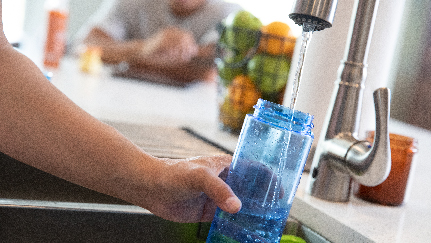
Summer is the season we all look forward to – cookouts, swimming pools, playing sports or just hanging out on the back deck. But summer sun can also get a little sweltering sometimes. Extreme heat − or 5 straight days of temperatures 9 degrees above normal − can pose a danger and cause serious health issues. So here are some summer heat safety tips to help protect yourself and your family as you enjoy the sunshine.
Keeping your place cool
To maintain a comfortable environment indoors when the outside temps rise:
- Install central air conditioning (AC) or window air conditioners.
- Check AC ducts for proper insulation.
- Weather-strip doors and windows to keep cool air inside.
- Use shades and awnings to keep extreme heat outside.
- Keep storm windows up all year.
- Install temporary window reflectors to reflect the heat back outside.
Keeping your family cool
When the thermometer begins to skyrocket beyond what’s comfortable:
- Stay indoors as much as possible, and limit sun exposure.
- If you don't have AC, visit someplace that does – such as a library or shopping mall.
- If you need to work outdoors, do it in the early mornings or evenings. It’s summer, so luckily there’s still daylight after 8pm.
- Drink plenty of water and eat well-balanced, light and regular meals. And avoid alcohol.
- Dress in loose, lightweight and light-colored clothes.
- Wear a wide-brimmed hat to protect your face and neck from the sun.
- Make sure pets have plenty of water and a cool place to rest.
- Keep an eye on older adults, young children and those who are sick or overweight. They're the most likely to suffer heat-related illnesses
- Never leave children or pets in closed vehicles
Overheated? First aid tips
If anyone around you shows signs of these heat-related medical issues:
Heat cramps occur with muscle pain and spasms, usually in the abdominal muscles or legs due to overuse.
- Have victim rest in comfortable position.
- Stretch the affected muscle lightly and replenish fluids.
- Give the victim half a glass of cool water every 15 minutes.
- Don't give them drink that contain alcohol or caffeine. Water is best. Or juice.
Heat exhaustion is caused by overexertion in a hot place. Blood flow to vital organs is restricted, causing the victim to go into mild shock. If not treated, the victim may have heat stroke.
- Move the victim to a cooler place.
- Loosen tight clothing and apply cool, wet towels or sheets.
- Have the victim slowly drink half a glass of water every 15 minutes. No liquids with alcohol or caffeine.
- Let the victim rest.
Heat stroke is a serious, life-threatening condition caused when the sweating function, which cools the body, starts breaking down. As a result, the body temperature can rise high enough to cause brain damage or death.
- Call 911 immediately (or your local emergency number).
- Move the victim to a cooler place.
- Put them in a cool bath or wrap them in wet sheets and fan their body.
- Monitor their breathing.
- If the victim is vomiting, fading in and out of consciousness or refusing water, don't give them anything to eat or drink.
Find out more on how to prepare for extreme weather conditions at our Emergency resource center.
RELATED RESOURCES