Stay protected with these fire safety tips
Your home is the center of your life – filled with loved ones and family belongings. Protect your home with these important home fire safety tips:
- Install smoke alarms on every level of your home. Test them monthly to make sure they work. Change the batteries every 6 months.
- Create multiple escape plans and practice them with your family. Your plans should include escape routes from different areas of the house, tools for exiting the building (escape ladders, items to open, break out windows) and a designated meeting place. It’s very important to practice fire safety with kids, so be sure to familiarize your children with the sounds of the alarm(s).
- Keep grills, cookers and fryers at least 3 feet away from your house and shrubs or bushes.
- Keep space heaters at least 3 feet away from anything flammable. Always turn off heaters when leaving the room or going to bed.
- Have your chimneys, fireplaces, wood stoves and central furnace serviced once a year.
- If someone in your home is deaf or hard of hearing, consider installing an alarm that combines flashing lights, vibration and sound.
- Store gasoline in a garage or shed in a container approved for gasoline storage.
- Close the lid on all flammable products and put them away after using them.
- Use ground fault circuit interrupters (GFCI) in all electrical receptacles (outlets) in kitchens, bathrooms and other wet areas.
- Store a fire extinguisher on every level of your home. They should have an ABC rating, making them usable for all types of fires.
- Make sure to keep a fire extinguisher close by and ready to use when before lighting fireworks just in case a spark turns into something bigger.
Never smoke in bed
Forty percent of all smoking-related fires start in the bedroom. Many beds and blankets are made of combustible materials, making it very dangerous to fall asleep with a lit cigarette. The risk increases with the use of alcohol, drugs and medications. A responsible smoker should always extinguish cigarettes in a fireproof ashtray located away from all combustible materials.
Keep an eye on your cooking
Unattended cooking equipment is a leading cause of home fires. Using grills on wooden or combustible decks is also a contributor.
When cooking, you should always:
- Keep cooking appliances clear of combustible materials such as rags, towels and packaging materials.
- Keep children away from all cooking areas.
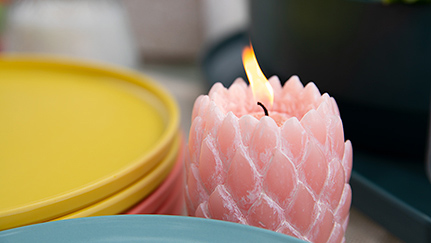
Never leave burning candles unattended
Candles cause an estimated 15,600 fires in residential structures, 150 deaths, 1,270 injuries and $539 million in estimated direct property damage each year1. In many cases, candles were being used as a light source because power had been shut off or was temporarily out of service. Keep a flashlight and batteries on hand for emergencies to prevent the need to use candles for emergency lighting.
If you do burn candles, always:
- Use sturdy holders. Keep candles away from children and pets.
- Extinguish candles before going to bed.
- Burn candles on even surfaces.
- Keep candles away from upholstery or window coverings.
[1] Candle Fire Safety, accessed 04/2021.