Preparing for a natural disaster
Common natural disasters
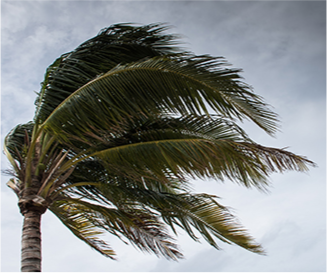

Protect your home, car and loved ones with real-time weather alerts.
The road to recovery after severe weather strikes
Want more information?
We work with organizations and agencies who have a focus on disaster
response and helping affected communities to cope and rebuild.
Nationwide catastrophe response: Past, present and future
Our claims center
Our experienced claims representatives understand how to help if you experience a natural disaster. They can answer your questions and assist you with filing a claim.
Have more questions about claims?
You can also review our personal insurance claims FAQs or business insurance claims FAQs.
We're here to help with loss and prevention
Next steps
Planning for a natural disaster
It's important to prepare by creating a detailed emergency plan for your family, business, farm or ranch.
Unsure whether you have the proper coverage?
Contact your Nationwide agent to ensure that you have the proper coverage and support you need.
Are you an agent?
Share this social content with your customers or visit nationwide.com/agents for additional agent resources.