

Why Wholesale Brokers Should Prioritize Stability
By James Walsh, President, E‑Risk
The professional and management liability market is in a soft cycle. Since 2022, capacity has grown as new MGAs and insurtechs jumped in alongside established carriers. That extra capacity has pushed rates down and broadened coverage terms.
Moving business away from established specialty markets in these conditions can cause real risk for policyholders, agents, brokers, and wholesalers. Claims are getting more frequent and more severe. When losses rise while pricing drops, newer or thinly capitalized players, especially those chasing market share with inadequately rated premium, can quickly hit trouble. Brokers need to think twice before placing critical coverage with partners who might pull back, tighten terms, or fail to pay claims when it matters most.
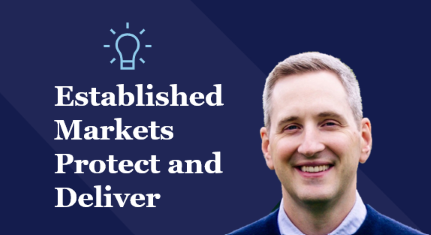
New Capacity Offer Promises, Established Markets Protect and Deliver
Soft markets attract new players who can promise, and likely provide, speed, slick tech, and low prices. But insurance isn’t just a quick transaction - it’s a long-term promise to properly handle and pay complex claims, sometimes years later. That promise depends on underwriting discipline, solid data, financial strength, and claims expertise. Flashy tech doesn’t pay claims; strong, stable partners do.
At E-Risk, we’ve seen these cycles before. Our ability to price adequately, underwrite decisively, and handle claims smoothly - comes from nearly three decades of experience, deep data, and a wholesale-only focus. That matters when soft pricing collides with rising frequency and severity.
Beneath the surface: frequency and severity are lurking
Employment Practices (EPL)
The EEOC logged 88,531 discrimination charges in FY2024, up 9.2% year-over-year1 - the third straight annual increase. That usually signals more EPL claims across private-company books.
In our own E-Risk portfolio, EPL claim frequency jumped sharply from 2023–2025 after pandemic-era lows—hitting the highest levels since 2009 in some states2. That’s why expert-claims handling and local knowledge matter.
Directors & Officers (D&O)
Bankruptcy is a classic warning sign for D&O claims. Total U.S. bankruptcy filings rose 14.2% in the 12 months ending Dec. 31, 2024, continuing an upward trend from 2022 lows3.
Our D&O claim frequency has climbed for three straight years (2023, 2024, YTD 2025), tracking with insolvency and litigation costs.2
Cyber
Cyber coverage looks buyer-friendly, but severity is still high. Gallagher’s 2025 outlook points to persistent ransomware, supply-chain attacks, and new AI-related risks - the kind of long-tail exposures that can surprise inexperienced underwriters4. While capacity is strong, unproven underwriting and claim handling can leave businesses exposed.
When claims spike during a soft cycle, carriers without deep data, strong reserves, or seasoned claims teams can struggle. That instability lands on brokers with sudden capacity cuts, service issues, and poor claims experiences.
What wholesalers should look for in a trading partner
1) Trust data maturity, not marketing hype
Choose partners with decades of line-specific data. “Data-driven” is common; depth and history are what matter.
2) Insist on paper quality and financial strength
Capacity is everywhere—but quality isn’t. Stick with A-rated carriers that have proven staying power when losses rise.
3) Balance speed with underwriting discipline
Fast quotes are great, but not at the expense of sound pricing. You need coverage that holds up when claim trends spike.
Protect Your Reputation
Soft markets tempt shortcuts. But cycles turn fast when loss costs outpace pricing discipline. Claims are rising in EPL, insolvency is pressuring private-company D&O, and cyber severity isn’t going away, even as premiums keep dropping. The smart move: work with partners who have cycle-tested data, proven claims expertise, and strong balance sheets, not just the lowest quote. That’s how you protect your clients - and your reputation - when the market shifts.
How E-Risk helps brokers play the long game
- 27+ years of specialized underwriting and claims data in professional management for small businesses.
- A wholesale-only model built on trust, speed, and disciplined underwriting.
- Backed by Nationwide’s financial strength with A-rated paper* and Fortune 100 resources so brokers avoid surprises when the market turns.
- Dedicated claims team committed to delivering precision, care and a proactive approach to safeguarding policyholders’ assets.
*Nationwide Mutual Insurance Company is rated for financial stability A by AM Best (3rd highest of 13 ratings). Affirmed11/7/2025.
1 eeoc.gov
2 E-Risk internal data
3 uscourts.gov
4 2025 Cyber Insurance Market Conditions Outlook – Gallagher (PDF) [ajg.com] (PDF)