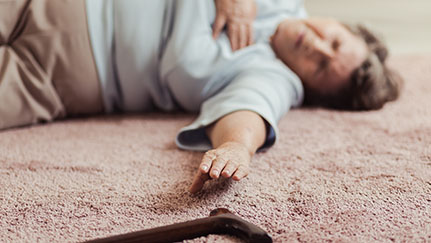
One in three seniors in the U.S. dies with dementia, and this number will grow exponentially as the baby boomers age. We often hear that a person is suffering from dementia. No wonder it is the most feared disease of aging. But it does not have to be this way. A person can live well with dementia if they are enveloped by skilled, and compassionate care.
An estimated 6.5 million Americans aged 65 and older are living with Alzheimer’s dementia and by 2050 the number of people aged 65 and older with Alzheimer’s disease is projected to reach 12.7 million.1
Dementia refers to a group of symptoms such as cognitive decline (due to changes in the brain) and these changes are so severe they impact function and safety. Dementia can be caused by many diseases and conditions, with Alzheimer’s disease being the most common cause. Other common forms include vascular dementia, Lewy-body dementia and fronto-temporal dementia. All these are classified as chronic and progressive, meaning there is no cure, and the symptoms will get worse over time as an individual moves through stages of dementia.
Because there is currently no cure, we must employ our best chronic disease management practices designed to help a person and their loved ones to live well with dementia. This means we must:
- Prioritize and optimize functional independence, safety, health, and quality of life
- Support and educate loved ones
- Reduce common risks from becoming reality
The cornerstones that make up skilled dementia care include being person-centered and adapting activities to the just right level of challenge, to match the abilities and deficits found at each stage of dementia. In this article we focus on risk reduction, but the thread that connects each is the importance of using person-centered care and a person’s remaining abilities to create positive outcomes.
Helping a person to stay actively engaged in meaningful life activities at their best ability has many wonderful byproducts.
Dementia capable care stimulates the mind, body and spirit and has many benefits for the person at every stage of dementia. Staying active socially and doing as much for oneself as possible uses cognitive and physical abilities, serving as exercise that can optimize health, has emotional wellness benefits, and can reduce the prevalence of depression and anxiety.
In addition, this approach eases the care burden and optimizes safety for those who are providing care. Many behaviors seen in those living with dementia, such as resisting, cursing, threatening or hitting can be greatly minimized when we understand behavior as communication. There is often a root cause for these distress reactions, and when we understand and eliminate the trigger and use de-escalation techniques, we can prevent and minimize these behaviors that put all in harm’s way.
Dementia capable care approach for risk management
A best practice objective is to provide preventative, quality care that reduces risks from becoming a reality. Another way to say this is, a dementia capable workforce works to prevent unnecessary and avoidable complications. Let’s look at key characteristics and some high risks at each stage in order to discern best methods to manage these risks.