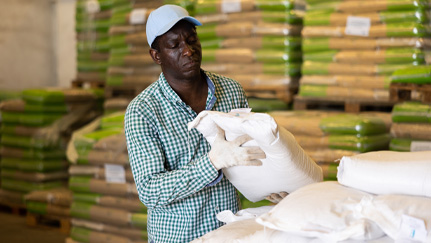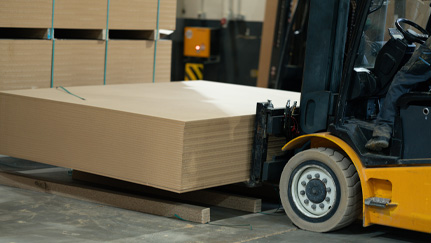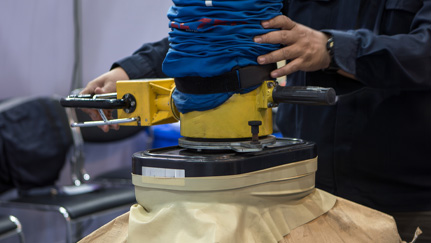
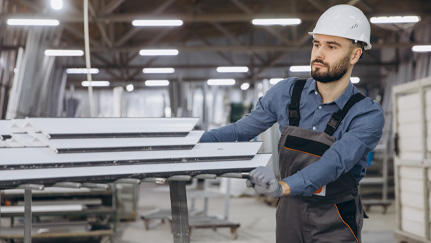
The movement, storage and handling of materials is a critical process for the success of most businesses. When material handling is not properly considered, it leads to an increased risk of injury and can result in operational disruptions that have extensive financial impact. From a safety standpoint, injuries related to material handling are the leading cause of worker injuries resulting in days away from work. Recent data from the Bureau of Labor Statistics (BLS) indicates an alarming total of 976,090 cases of musculoskeletal disorders in the private sector during the most recent reporting period, with 502,380 of these cases resulting in days off work1. Read on to discover how effective material handling practices can safeguard your team from injury and protect your business.
Types of material handling
Generally speaking, material handling refers to the movement, control, storage and protection of materials, products and goods. It involves tasks and processes related to transporting, positioning and managing materials, such as raw materials, components, finished products, or equipment, throughout the stages of production and distribution. Material handling can be broadly categorized into two types: manual and mechanical.