Loading...

Meet Generation Z: Ready for the world but unsure about their financial future.

Generation Z (ages 18-28) came of age in a fully digital, always-online world, and they’re ready to start “adulting.” For many, that means facing their own financial challenges and looking for guidance on planning for the future.

Our latest Advisor Authority survey, powered by the Nationwide Retirement Institute®, uncovers insights on Gen Z’s financial needs to help financial professionals start to connect with the newest generation of adults. 

Retirement may seem like an impossible dream for Gen Z investors.

Gen Z is just starting out on their career paths, but many already feel uneasy about the journey ahead. When working with Gen Z clients, it’s a good time to reinforce the value of saving early and tapping into the power of compound growth. 

44 percent More than two-in-five (44%) Gen Z investors say they feel behind in their retirement savings goals and are working to catch up.

17 percent 17% say they’re spending more on leisure expenses right now despite long-term financial concerns, believing they may never be able to retire.

Gen Z man sitting at a desk looking at a laptop

Short-term needs take priority over long-term plans.

Many Gen Z investors can’t or don’t focus on retirement saving because they’re trying to meet their immediate financial needs. A holistic financial plan that tackles both short- and long-term needs can help Gen Z clients manage the competing demands on their finances.
40 percent

Four in ten (40%) Gen Z investors worry about their ability to afford their monthly bills over the next 12 months.

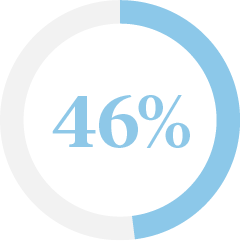
46 percent

Nearly half (46%) cited paying down loans and debts (e.g., credit cards, mortgages, car payments) as a top financial commitment over the next 12 months.

Gen z couple talking with a financial professional and looking at a tablet

Personalize your guidance to reach more Gen Z clients.

Many Gen Z investors (33%) think they’re too young or early in their retirement planning journey to work with a financial professional at this time. But those who do work with an advisor find the most value when their financial professional personalizes the guidance they offer.

More than a third of Gen Z investors (34%) say they’re more likely to work with a financial professional who understand their goals at this stage in their lives.

Craft a Gen Z financial plan to balance short- and long-term needs. 

Among financial professionals who work with Gen Z investors, here’s what they said are the most important topics for these clients to understand as they begin their careers:

Chart showing short-term needs percentages of Gen Z investors


Basic budgeting and building healthy spending habits (52%)

Debt management and strategies for avoidance (49%)

Chart showing long-term needs percentages of Gen Z investors


The importance of starting retirement planning early (54%)

Understanding the basics of investing and compounding growth (49%)

page spacing

Find resources to help you connect with Gen Z clients.

Whether you engage with Gen Z investors one-on-one or through existing client relationships such as their parents, it’s important to recognize this generation is facing unique financial challenges and may approach financial planning with their own points of view.

Nationwide can help you connect with Gen Z with educational materials on a wide range of topics—from budgeting and paying down debt in the short term, to saving and investing for the long term.

Discover our range of retirement savings & income resources here.

The Harris Poll, on behalf of Nationwide, conducted an online survey in the U. S. among 610 advisors and financial professionals and 2,524 investors ages 18+ with investable assets (IA) of $10K+, January 6-25, 2025. Among the investors, there were 349 Gen Z investors (aged 18-28).

For complete survey methodology, including weighting variables and subgroup sample sizes, please contact vasask@nationwide.com.

This material is not a recommendation to buy or sell a financial product or to adopt an investment strategy. Investors should discuss their specific situation with their financial professional.