

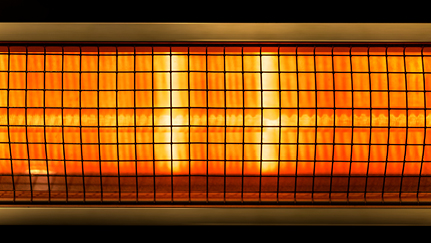
The temperature may be dipping. But the work on your farm, ranch or dairy doesn’t stop. That may have you reaching for a portable heat source like a space heater to help stay warm when you’re working in your farm shop or other agricultural building.
But there’s a problem: Any heat source increases the risk of fire, a leading cause of property loss on U.S. farms, ranches and agribusinesses.
“Winter can be hard on everyone, making life tough for both people and animals in freezing temperatures,” said New York Farm Bureau Insurance Partner Relations Manager Scott Keyes. “Working safely with a portable heater depends on using the right type, understanding the risks and having the necessary safety equipment on hand to minimize the risks.”
Choosing the right portable space heater
The size of the space you need to heat (measured in cubic feet) and its level of insulation will determine the heating capacity required. A well-insulated workshop will require far fewer BTUs (British Thermal Units) than a large, drafty machine shed. Though there are many other options — including both consumer and commercial models and sizes — here are four popular portable heater types commonly used in farm shops and other agricultural buildings:
- Forced-air fuel heaters. These are high-output units that use powerful combustion (fueled by propane or kerosene) and a fan to rapidly heat large, open areas. But they must be used with significant ventilation, and most types require electrical power.
- Radiant fuel heaters. Often portable and compact, these propane-fueled heaters provide immediate, directed warmth by heating objects rather than the surrounding air. This makes them perfect for spot-heating a workstation. Some require access to electric power.
- Infrared electric heaters. These heaters provide direct, sun-like warmth. They’re effective in drafty environments, as their heat is not lost when air is moved or replaced. All infrared heaters require electrical power.
- Fan-forced electric heaters. A clean and fume-free option, these heaters blow warmed air into a space. They’re best suited for smaller, partially insulated garages or sheds. All fan-forced electric heaters require electrical power.
Understanding portable heater safety risks
Understanding the safety risks of portable heaters is the first step toward preventing loss on your farm, ranch or agribusiness. Fire and carbon monoxide are the biggest hazards that can endanger both life and property. Here are a few ways to help minimize these risks:
Placement
- Never use electrical space heaters with extension cords or power strips. Always plug directly into electrical outlets.
- Always maintain a minimum of three feet of clear space around any portable heater.
- Keep all flammable materials like bedding, feed sacks, fuel cans and chemicals far away from the heat source.
- Place any space heater on a stable surface where it won’t be knocked over. Make sure your portable heater includes tip-over protection like automatic shut-off switches that activate if a unit is tipped over.
- Never leave an operating space heater unattended.
Ventilation
- Maintain adequate ventilation when using fuel-burning heaters.
- Ensure a steady supply of fresh air to allow for proper combustion and to vent exhaust fumes, including carbon monoxide, safely outside.
- Never use unvented combustion heaters in a tightly sealed building or an area occupied by livestock without confirming the ventilation is sufficient.
Maintenance
- Check for frayed cords, cracked hoses, rust and fuel leaks.
- Keep units free of dust, cobwebs and debris that can block airflow or become a fire hazard.
- Follow the manufacturer's instructions for routine maintenance, cleaning and parts replacement.
Planning for fire emergencies
Even with the best precautions, fires can still happen. To minimizing the risk of a devastating fire, it’s essential to be prepared. This includes having the right fire safety procedures, plans and tools in place.
- Develop and implement an effective emergency action plan (PDF).
- Share your emergency plan with the local fire department to help them validate your preparations and plan for a rapid response.
- Provide fire safety training and checklists for farm workers (PDF).
- Install and maintain adequate fire detection and suppression tools, such as smoke detectors, fire extinguishers and water access points, especially where portable heaters are being used.
“Make sure everyone on your operation is familiar with your fire safety plan—because when a fire breaks out, every second counts,” Keyes said. “A solid plan helps everyone on your team act fast and sharing it with first responders ensures they can jump into action right away. Stay prepared, stay safe!”