Loading...

Financial stress is changing the way pre-retirees are planning for retirement.

People in the home stretch of retirement planning should be focused on preparing to enjoy the next chapter in their lives. Instead, many pre-retirees fret about their future financial security and their confidence in their pre-retirement plans.  

A recent Advisor Authority survey, powered by the Nationwide Retirement Institute®, found that 42% of pre-retirees (ages 55-65) say their retirement dreams have been delayed, altered or cancelled because of economic conditions over the last five years. As pre-retirees revise their retirement expectations, one way financial professionals can help is by personalizing their guidance around pre-retirees’ specific planning concerns.

Higher costs have pre-retirees worried about their retirement security.

Among the financial professionals we surveyed, inflation and the potential to deplete retirement savings has had a significant influence on how their pre-retiree clients view their current retirement plans.
 

Among financial professionals surveyed, what factors have influenced their pre-retiree clients to rethink or redefine their retirement planning strategies?

Inflation: 46%
Fear of running out of money in retirement: 37%
Couple in their 60s-70s sitting on a parch bench with their golden retriever and smiling.

Retirement is less about the numbers for today’s pre-retirees.

Economic stress and market volatility require pre-retirees to be more flexible when setting expectations for retirement.

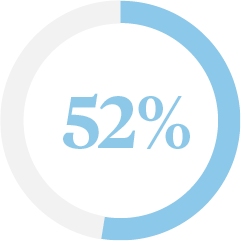
52 percent


of pre-retirees don’t believe in the concept of a “magic number” for retirement savings.

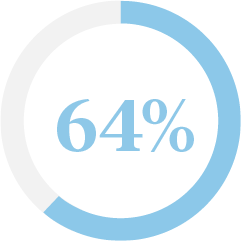
64 percent


say the norm of retiring at 65 doesn’t apply to people like them (up from 59% a year ago.)

Traditional planning approaches aren’t relevant for many pre-retirees.

While pre-retirees may be open to different approaches to planning, financial professionals by and large still stick with the standard rules. This split shows that clients may value a renewed focus on education as they fine-tune their pre-retirement planning.

How relevant are these retirement "rules" in today’s economic environment?

"4% rule" for retirement income withdrawals

Pre-retiree investors 65% relevant. Financial professionals 84% relevant.

"100 minus your age rule" for stock allocations

Pre-retiree investors 47% relevant. Financial professionals 73% relevant.

"Phased retirements" grow in popularity among pre-retirees


42%

of financial professionals report pre-retiree clients are using “phased retirement”, a different approach to the traditional view of retirement where they scale back their time commitments to work and step gradually into retirement.

Financial professional and client sitting down at a desk and talking.

Craft a holistic retirement plan that’s personalized for pre-retiree clients.

You can help your pre-retiree clients feel confident about their future financial security by crafting a holistic retirement plan around their specific needs. A holistic plan includes the big financial milestones pre-retirees will face in the coming years—Social Security, health care, taxes and the transition from retirement saving to retirement income.

Turn to Nationwide for the resources, tools and solutions you need to design a holistic plan that’s personalized for your pre-retiree clients.  

Learn more about pre-retirement planning topics from Nationwide.

Method Statement

The Harris Poll, on behalf of Nationwide, conducted an online survey in the U. S. among 610 advisors and financial professionals and 2,524 investors ages 18+ with investable assets (IA) of $10K+, January 6-25, 2025. Among the investors, there were 379 pre-retirees in January 2025 and 336 pre-retirees in August/September of 2024.

For complete survey methodology, including weighting variables and subgroup sample sizes, please contact [vasask@nationwide.com].

This material is not a recommendation to buy or sell a financial product or to adopt an investment strategy. Investors should discuss their specific situation with their financial professional.