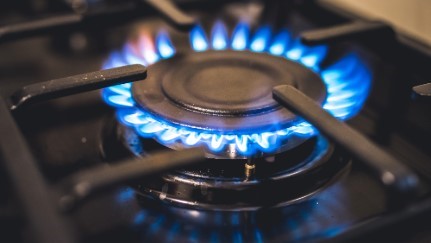
Gas is an incredibly important utility in any home. But it can also be a safety hazard. According to the National Fire Protection Association, house fires caused by igniting gas have been on the rise over the last ten years. [1]
But with proper precautions, you may be able to reduce the potential dangers of gas leaks. From learning to quickly detect gas leaks in your home to reacting properly when they do occur, we’ll cover some basics of gas leak safety.
Gas is an incredibly important utility in any home. But it can also be a safety hazard. According to the National Fire Protection Association, house fires caused by igniting gas have been on the rise over the last ten years. [1]
But with proper precautions, you may be able to reduce the potential dangers of gas leaks. From learning to quickly detect gas leaks in your home to reacting properly when they do occur, we’ll cover some basics of gas leak safety.
What is a gas leak?
Gas is transported into various parts of your home via a network of pipes so it can be used for heating, cooking and more. If some part of this network becomes compromised, gas can leak out and spread throughout your home. This may present health risks and create a potential explosive hazard. [2]
What causes a gas leak?
Gas leaks in homes are often caused by damage to pipes, often in the form of cracks or corrosion. Pipes may wear down over time, or they may be accidentally damaged during construction projects. Gas can also leak out from loose connections or faulty appliances that receive gas as a power source. [3]
What are signs of a gas leak in your home?
Sulfur or rotten egg smell
Smell is one of the best examples of how to check for a gas leak at home. Natural gas is colorless and odorless, but gas companies add chemicals to give it a distinctive rotten egg smell. If you’ve ever smelled sulfur, the scent is comparable. The presence of this smell may indicate a gas leak. [4]
Bubbles or dead patches in yard
Other symptoms of a gas leak in your home may be found outside your home. If a pipe is leaking gas under your yard, bubbles may form in areas with mud or standing water as the gas reaches the surface. The gas can cause grass and other plants to wither and die. [4]
Hissing sounds
Leaking pipes or gas connections may give off a hissing noise as the gas escapes. If the problem is located at an appliance connection, gas can leak out whether the appliance is turned on or off. [4]
What are the physical symptoms of a gas leak?
You may develop physical symptoms if you’ve been breathing in gas. The resulting lack of oxygen can cause:
- Blurry vision
- Headache
- Dizziness
- Fatigue
- Nausea
- Chest pain
- Cognitive issues [4]
What to do if you suspect a gas leak
Evacuate immediately
First, you and any other occupants should immediately leave the area, including pets. Exit the home or building and move to a safe location a good distance away. Gas inhalation can pose serious health risks, and the threat of an explosion is very real. Even the smallest spark can trigger a reaction. [4]
Call emergency services
Once you’re a safe distance from the leak, you should report the leak. You can call 911 or your gas company to shut off the building’s gas supply. [3] If you believe you or anyone else in the building has inhaled gas, you can seek medical attention. [4]
Do not attempt repairs if a gas leak is suspected
Fixing a gas leak is a job for a professional. Any attempt to make repairs yourself could endanger you and others. Instead of attempting to fix the gas leak, you should focus on moving away to a safe distance and contacting emergency services. [5]
Ventilate
As you’re leaving the area, you may want to open windows or doors to help ventilate the building. This can help thin out the concentration of gas. Only do this if you can do it safely while on your way out. [5]
Avoid open flames
Natural gas is highly flammable. If you notice signs of a gas leak, immediately put out any open flames to reduce the risk of fire. This includes things like candles, stove tops and grills. [5]
Gas leaks pose a significant risk to you and your home, but if you know how to identify and respond to them, you may be able to get ahead of the danger.
Install a gas monitor for peace of mind
If your home has a slow gas leak, there may not be enough of the natural gas smell to be detectable. For added peace of mind, consider installing a home gas monitor to detect explosive or combustible gases.[4] Many battery-powered and plug-in carbon monoxide detectors can also detect explosive and natural gases.
And if your next question is, “Does home insurance cover gas leaks?” the answer is they often can! You can get ahead of potential risks by keeping your home protected with Nationwide. Learn more about how Nationwide homeowners insurance can cover your home.