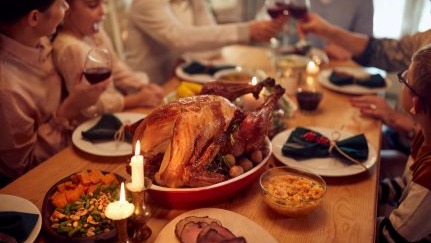
November and December are just around the corner and sure to be full of all the festivities that get packed into the final 2 months of the year. There will be parties to host, large family dinners to prep and celebrations to attend. These festivities also involve hanging decorations outside, creating twinkling trees inside and spending lots of time in the kitchen. This also means there will be more opportunities for potential fire hazards in your home. Below you’ll find tips and insights to help ensure that a fire doesn’t happen. We also recommend reviewing the fire portion of your homeowners insurance to ensure that you have comprehensive coverage, just to be safe. Here’s to a safe and happy holiday season. Cheers!
How to prevent candle fires
Who doesn’t enjoy the soft, warm glow of candles in their home? Especially during the holidays when scents such as balsam, cinnamon, cardamom and your favorite baked cookie fill the air ─ from a burning candle. But this common household accessory is a top contributor to home fires, especially when left unattended or too close to flammable items made of fabric or paper. But taking the right precautions can help you enjoy your favorite holiday aromas and protect your family and home[1]:
- Don’t leave burning candles unattended (such as in another room, or burning while you sleep)
- Candles should be out of reach of children and pets
- Ensure the candles being used are in a non-flammable container that is made of durable material
- Candles should be placed on a heat-resistant surface (NOT plastic, wood or laminated surfaces)
- Do not burn candles in high traffic areas
- Keep a fire extinguisher accessible in your home (do not use water on a wax fire)
- Fire blankets (fiberglass blankets designed to snuff out small fires) can be kept in areas of the home prone to fires (such as in kitchens and near grilling areas)
- Ensure your smoke detectors have working batteries
How to prevent Christmas tree fires
From simple and traditional strands of popcorn and handmade paper ornaments to pre-lit branches full of dazzling, jewel-toned ornaments, the artificial or fresh-cut Christmas tree is a staple in most homes during the holiday season. This centerpiece in the home is one that some homeowners choose to keep glowing much longer than a few hours a day. When we’re lost in the trance of twinkling lights, we often forget that decorated trees are highly flammable and are a potential fire hazard in our home. Follow these tips to take appropriate measures and precautions[2]:
- Trees should be placed a minimum of 3 feet away from heat sources (fireplaces, candles, vents, etc.)
- Check light strings to ensure they are in working order before placing them on your tree
- A holiday tree should not block any exits in your home
- If you want to purchase a “real” tree for the holiday, make sure that you purchase one that isn’t too dry ─ if you see a lot of needles on the ground, go to the next one
- If you have a fresh-cut tree in your home, water it daily to ensure that it’s hydrated
Can Christmas lights start a fire?
In most cases, your Christmas lights are safe ─ but there’s always a chance they could pose a fire risk, and you should inspect them thoroughly each year.
The heat generated from your light strings isn’t usually enough to cause a fire. But when there is an electrical issue or your lights are damaged, the chance of a fire increases. Take steps to prevent property damage and injuries in your home this holiday season[3]:
- Inspect light strings to make sure there are no frayed cords or visible wires; ensure that bulbs are not loose and are working
- Never attempt to repair damaged lights; it’s better to replace them
- Don’t use nails or tacks when securing lights; clips are a better option
- Don’t overload outlets and extension cords
- Don’t leave your lights on 24/7 – they should be turned off when you’re not at home and when you go to bed
- Consider upgrading to LED lights; this option is safer and has a useful life of up to 10 years
If you are a Nationwide home policyholder, consider ordering a Ting device. Nationwide has partnered with Ting, which uses innovative technology to help keep you, your family and belongings safe from electrical fires. These fires can be caused by holiday items such as Christmas trees and decorations, as well as appliances and loose wiring. Ting devices are available to eligible home policy holders in all states except for: Washington, New York, Alaska, Hawaii, Oklahoma and Louisiana
How to prevent kitchen fires
From Mom’s famous apple pie recipe to Grandma’s secret gravy ingredient, it’s the time of year when we’re in the kitchen for hours cooking and baking. In many homes it’s a tradition to spend quality time together, and wonderful memories are made as recipes are handed down from generation to generation.
What you may not know is that the top culprit for holiday fires and related fatalities is unattended cooking[4]. So keep a couple of things in mind:
- If you have a small fire while cooking on the stovetop, smother the flames by sliding a lid or baking sheet over the pan and turning off the burner
- For an oven fire, turn off the heat and keep the oven door closed
- Keep children away from the stove and areas of hot food prep
Use these additional safety tips (PDF) to ensure that the upcoming holiday season is one of your happiest yet.
Fireplace safety
Some mountain locations in the United States have already received their first snowfall, and fireplaces are making homes toasty. If you live in an area where those kinds of temps haven’t hit yet, they’ll be here soon enough. Ensuring that your fireplace and chimney are in good operational order is important for the safety of your family and your home. A professional inspection yearly is recommended. Here are a few other helpful tips[5]:
- Gas fireplaces – These often are a cleaner and more efficient option, but always ensure that you have proper ventilation as natural gas and carbon monoxide are silent killers. Make sure your flue and vents are working.
- Electric fireplaces ─ This convenient appliance allows homeowners without a built-in fireplace to have a heat source anywhere in their home. The fire isn’t real, but you should still use caution. It’s very important to use the right cord with the appropriate gauge and wattage and ensure that you plug it into the appropriate socket.
- Wood fireplaces – A wood fireplace isn’t the cleanest or safest option available, but it’s a nostalgic one that some people still prefer. Consider the type of wood you burn. Wood should be seasoned and dry; don’t use wood from recently cut trees as there will still be moisture in it. Always use a metal container when disposing of hot ashes – and remember that the embers will still be hot, so don’t set it next to your home or other wood piles.
Outdoor decoration safety
Decorating the outside of your home may be just as important as decorating the inside ─ maybe even more so as it’s visible to your neighbors and neighborhood traffic. If your family is all about stringing lights on the roof and you have multiple inflatables in your yard, keep the following in mind[6]:
- It’s best to use an outdoor timer to shut off lighted or powered decorations in the evening
- If bad weather comes your way, remember that moisture isn’t good for your outdoor decorations; turn them off during snow and rain
- Don’t plug all your decorations into 1 outlet; it’s better to spread them among multiple outlets
- Larger decorations, such as inflatables, should be secured with yard stakes or even weights
- Remember that LED holiday lights use less energy and stay cooler
Prepare for holiday fire risks with homeowners insurance
Did you know that many homeowners are underinsured? Before the holiday season arrives, take some time to ensure that your home is insured for 100% of its value. Explore Nationwide's coverage options by getting a quote for homeowners insurance today.
[6] “Christmas Light Safety Guide,” cnet.com/pictures/christmas-light-safety/ (accessed October, 2025)
Note: Ting device availability varies. Promotional offer available for a limited time while supplies last. Restrictions apply. Not available in all states.