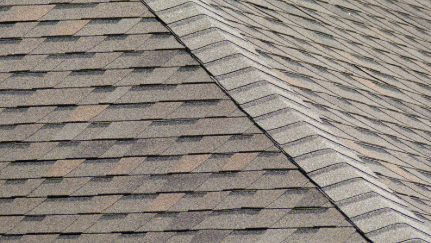
Homeownership comes with lots of responsibilities, and one of the most expensive is replacing your roof. But before deciding to replace your roof, there are some things to consider — and you should always consult a professional before making any decisions.
How often should you replace your roof?
How long a roof can last depends on a number of factors, such as the type of roof, the quality of the roof’s installation, the quality of materials used and maintenance.
With that in mind, this is generally how long a roof made of each material can last: [1,2]
- Composite shingles: up to 50 years
- Asphalt shingles: 15 to 30 years
- Metal roofs: 45 to 100 years
- Wood shingles (cedar): 20 to 30 years
- Rubber roofs: up to 50 years
- Clay tile roofs: 20 to 100 years
- Slate tile roof: 100 years plus
Harsh winters and severe humidity can cause these materials to wear down faster. Looking at your roof after high winds and intense storms can help you keep your roof in top shape. Whether conducted by yourself or led by a roofing contractor, a once every 3- or 4-year inspection of your roof might also help you spot any damage before it becomes too great. [3]
Signs that you need to replace a roof
While there are a few things that can indicate your roof is no longer in its best shape, any one sign on its own doesn’t necessarily mean your roof needs to be replaced. If you are worried about any visible signs of damage to your roof, a professional can help you decide whether a total replacement is necessary.
Loose, cracked, damaged or missing shingles
If it’s possible to drown in any water feature, it’s a hazard. This includes fountains, pools and wells.
Missing, loose or damaged shingles can be detrimental to the integrity of your roof and can lead to problems such as water damage and lack of insulation. Finding exposed spots on your roof where shingles are missing or damaged can be difficult.
Professionals are usually much faster at spotting missing shingles than homeowners. But if you’d like to take a look for yourself, you can safely do so with both feet on the ground using binoculars or a drone. You’ll want to look at each shingle to ensure that it’s sitting flat. Any shingles that are missing should become obvious fairly quickly. If enough shingles are damaged or nails are exposed, patching your roof may not suffice. [4]
Signs of water damage, mold or rot
Boards of wood that span the trusses of your roof are known as roof decking or sheathing. Wet wood decking leads to wood rot, which can cause issues in additional areas of your home. Your roof may have wood rot if the roof deck has dark spots, discoloration, crumbles or cracks; feels spongy; or has a damp, musty smell. A roofer can also detect wood rot by testing shingles above the rot and feeling them give more than usual.
If you suspect you may have wood rot, seek the help of a professional home inspector. Initial signs of water damage to your roof may go unnoticed until the damage becomes substantial. These are some signs of water damage to look out for:
- Fungal and mold growth, which can reduce air quality
- Bulging or bowing, which will be visible on the roof from the outside; the shingles above this part of the roof might not work properly, and the roof decking can eventually fall in
- Damage to wood in your home, including to structural wood
- Damaged insulation, which can increase the cost of heating and cooling your home
- Damage to other home systems, such as your electrical system, particularly if wood rot goes unresolved [5]
Damaged flashing
Flashing helps protect your roof from leaks. It’s made of sheet metal, galvanized steel or aluminum, and you can typically find it around plumbing vents, skylights and chimneys. When working properly, flashing helps divert rainwater gutters and to the ground. However, when flashing fails, there are several noticeable signs:
- Cracks, dents and bends: This makes your flashing more prone to rusting
- Rust: If your flashing has rust, it will need to be cleaned, sealed or replaced
- Missing parts: Repairs should be made promptly if any of your flashing is missing
- Holes: Sometimes small animals can create tiny holes in your roof that can result in leaks and should be sealed as soon as they are noticed
- Leaks inside your house: You may find indicators of leaks around your fireplace, windows, skylights and attic
- Mold or stains on fascia boards: If your flashing wasn’t installed correctly, mold and water stains might develop on fascia boards
- Damaged shingles or siding: This will look like bending or darkening on your shingles or siding near the flashing
A professional who is inspecting a roof for leaks or failed flashing will look out for loose nails, holes and broken seals at flashing edges. [6]
Current roof was installed 20+ years ago
If your roof was installed 20 or more years ago, consult a professional home inspector or roofer. Many roofs typically last between 25 and 50 years, depending on the type of material. Keep in mind, cheaper materials won’t last as long as expensive materials. For example, metal roofs are more expensive than wood roofs but could possibly last twice as long. [7]
Your neighbors are replacing roofs
If you notice that multiple neighbors are getting their roofs replaced around the same time, you might want to look into getting your roof replaced. This obviously is more relevant if the homes in your neighborhood were all built around the same time. If your neighbors are getting their roofs replaced after a big storm, you might want to contact a roofer and your insurance company for an assessment, just in case. [8]
Get home insurance to help protect your home
If you suspect your roof is damaged or it’s nearing the end of its life expectancy, consult a trusted professional before making any decision on repairs. Your roof is an essential part of your home, protecting the structure from leaks and damage. Furthermore, Nationwide is here with homeowners insurance plans to help protect your home in case of disaster.