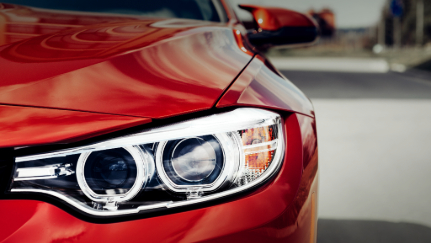
Working headlights are essential for driving any car safely, but they occasionally go out. Knowing how to change a headlight and what to look for when the front of your car goes dark can help you quickly remedy the problem.
How do car headlights work?
Car headlights are one of the most important safety features on any vehicle, yet many drivers don’t know how they actually work. At a basic level, all headlights are designed to convert electrical energy into light and project it onto the road so drivers can see — and be seen — during low‑light conditions.
Most modern vehicles use a light or photoelectric sensor to detect darkness outside the car. When light levels drop, the system activates the headlights automatically or alerts the driver to switch them on. Electricity then flows to the headlight assembly, where it passes through a filament or semiconductor material. This interaction produces light, which is focused and aimed forward using reflective housings and lenses. High beams operate on the same principle but provide a brighter or differently angled beam to increase visibility and distance when road conditions allow.[1]
Understanding how headlights work makes it easier to recognize when something isn’t functioning properly. Properly working headlights improve visibility, reduce glare for oncoming drivers and play a major role in preventing accidents — especially at night or in poor weather. Keeping your headlight system in good condition is a simple but essential step toward safer driving.
What causes car headlights to burn out?
Headlights are a vital safety feature, but like any vehicle component, they don’t last forever. Understanding what causes headlights to fail can help you spot problems early, replace bulbs on time, and maintain clear visibility on the road. Here are some common reasons that headlights go bad[[2]:
- Normal wear and tear ─ This is the most common cause; every time your headlights turn on, electricity passes through the bulb, and over time, this constant use weakens internal components until the bulb eventually burns out
- Temperature extremes ─ Headlights are exposed to summer heat, winter cold and everything in between; these temperature swings cause materials inside the bulb to expand and contract, speeding up deterioration and shortening bulb life
- Road vibration ─ Regular driving creates vibration, especially on rough roads; this ongoing movement can damage delicate bulb components, particularly in traditional filament-based headlights
- Moisture inside the headlight ─ Cracked housings or worn seals can allow moisture to enter the headlight assembly; even small amounts of condensation can corrode electrical connections and cause bulbs to fail prematurely
- Electrical issues ─ Voltage fluctuations or wiring problems can overload headlights, causing them to burn hotter than intended, and excess electrical stress often leads to early burnout
Cars use specific bulbs for each light, so always check your owner’s manual or a trusted auto parts website for the correct replacement. Because headlights typically wear out at the same rate, replacing both bulbs at the same time can help avoid another burnout shortly afterward.
The bottom line
Headlight burnout usually isn’t sudden. It’s the result of heat, vibration, moisture and everyday use. Staying aware of these factors and inspecting your lights regularly can help keep your vehicle safe, visible and road‑ready.
How to change a car headlight bulb
A burned‑out headlight can reduce visibility, create safety risks and even lead to a traffic citation. Fortunately, replacing a headlight bulb is a simple DIY project for most vehicles and can usually be completed in under 30 minutes. Follow these step‑by‑step instructions to safely change your headlight — and other common vehicle light bulbs. Before you begin, do the following[2]:
- Park your vehicle on a flat surface
- Turn off the engine and lights
- Put on nitrile or latex gloves (skin oils can damage bulbs)
- Make sure you have the correct replacement bulb for your vehicle
Once you’ve taken all the appropriate safety measures, follow these steps[2]:
Step 1: Locate the headlight bulb ─ Turn off the car and put on nitrile gloves. Open the hood and locate the headlight housing in the engine bay. Remove any access panel or cover to reach the bulb.
Step 2: Remove the old bulb ─ Disconnect the electrical connector by pressing the release tab. Turn the bulb counterclockwise and pull it straight out of the housing.
Step 3: Install the new bulb ─ While wearing gloves, connect the wiring to the new bulb without touching the glass. Insert it into the housing, align the tabs and turn clockwise until it locks. Test the light, then close the housing and hood.
Step 4: Access rear light bulbs ─ For taillights, brake lights or turn signals, open the trunk and locate the taillight assembly. Remove the screws and carefully pull the assembly away from the vehicle.
Step 5: Remove the old rear bulb ─ Turn the bulb socket counterclockwise and remove it from the assembly. Gently pull out the old bulb.
Step 6: Install the new rear bulb ─ Insert the new bulb into the socket, place the socket back into the assembly and turn clockwise to lock it. Reattach the assembly and test the light.
Replacing your car’s light bulbs is a straightforward maintenance task that improves visibility, safety and peace of mind on the road. With the right bulb and a few careful steps, you can keep your vehicle well‑lit and ready for any driving condition.
What to do when your headlight doesn't work after changing bulb
Replacing a headlight bulb usually solves the problem — but not always. If your headlight still isn’t working after installing a new bulb, don’t panic. There are several common reasons this happens, and many are simple to diagnose and fix. Below are the most likely causes and the steps you should take next[3]:
1. Check the new bulb ─ Remove the replacement bulb and inspect it for defects or damage. If possible, test it in the other headlight or replace it with another new bulb to rule out a faulty part.
2. Verify proper installation ─ Make sure the bulb is fully seated in the housing and aligned correctly. Confirm that the electrical connector is firmly attached and any retaining clips or covers are secured.
3. Inspect fuses, wiring and the headlight switch ─ Check the headlight fuse for signs of being blown and inspect visible wiring for damage or loose connections. If both headlights on the same setting aren’t working, the headlight switch may be the issue.
4. Check the relay or control module ─ Locate the headlight relay and swap it with a similar relay, if available, to test functionality. If your vehicle uses a lighting control module, a failing module may need professional diagnosis or replacement.
In most cases, a nonworking headlight is still caused by a simple issue — most often a burned‑out or improperly installed low‑beam bulb. But if troubleshooting doesn’t resolve the problem, a professional inspection may be the safest and quickest way to restore proper headlight function and ensure that your vehicle stays road‑legal and safe.
Final thoughts on car safety and maintenance
From understanding how headlights work to spotting burnout issues and troubleshooting after a replacement, one theme remains consistent: Routine vehicle maintenance plays a major role in keeping you safe on the road. Headlights aren’t just a convenience; they’re a critical safety system that helps you see clearly and ensures that other drivers can see you in all conditions. Staying proactive with inspections and repairs can prevent small issues from becoming costly or dangerous problems.
To help tie everything together, here’s a simple car maintenance checklist you can use throughout the year to stay ahead of common issues:
- Check headlights, taillights, brake lights and turn signals monthly
- Replace burned‑out bulbs promptly (and in pairs when possible)
- Inspect headlight housings for cracks or moisture buildup
- Check windshield wipers and washer fluid
- Monitor tire pressure and tread depth
- Change oil and filters at recommended intervals
- Test brakes for responsiveness and unusual noise
- Keep an eye on warning lights on the dashboard
Even with regular maintenance, unexpected situations can still happen. Having good auto insurance provides financial protection when accidents, weather damage or costly repairs are unavoidable. Pairing routine vehicle care with reliable insurance is the smartest way to protect your car, your budget and your peace of mind on the road.
Sources:
[1] “How Do Headlights Work? Info About Your Car’s Headlight System,” endurancewarranty.com/learning-center/research/how-do-headlights-work-cars-headlight-system (accessed April 2026).
[2] “A Step-by-Step Guide to Fixing Your Car’s Lights,” familyhandyman.com/project/how-to-replace-a-headlight-bulb (accessed April 2026).
[3] “One or Both Headlights Not Working? Learn the Causes & Fixes (2025),” sealight-led.com/blog/one-low-beam-headlight-not-working.html (accessed April 2026).