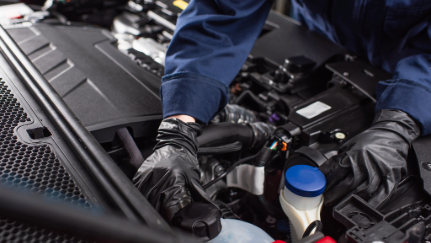
Whether you’ve been driving for a while or you just got your license, our car maintenance checklist and schedule can help keep your vehicle running smoothly.
What is a vehicle maintenance schedule?
A maintenance schedule is a manufacturer-recommended timeline or plan of services for when the vehicle hits various benchmarks such as a certain mileage or age. For example, after a certain number of miles, the manufacturer will recommend getting an oil change or the tires rotated.[1]
Why is it important to follow a maintenance schedule?
You rely on your car for a lot of things. From getting to work or school on time to seeing loved ones, you want a smooth ride every time. The key to achieving that is maintenance.
Keeping up with regular services can help prevent issues or breakdowns; prolong the life of your vehicle; save you money by avoiding costly repairs; and keep you, your family and others safe on the road.[1]
Where can I find my car’s maintenance schedule?
You can find the maintenance schedule for your vehicle’s make and model in the owner’s manual.
If you don’t have a manual, you can usually find one on the manufacturer's website.[1]
Service right away
You should immediately attend to the following issues:
- Check engine light: The check engine light indicates your electronic control system has run into a problem that it can’t fix. If this light is constantly on and won’t turn off, get the car checked as soon as you can. If it’s flashing, you may need to get to a service shop immediately. Keep in mind that service indicators vary by vehicle, so check your owner’s manual for specific details and instructions.
- Tire pressure light: If this light comes on, check the tire pressure immediately, top off the air in the tire(s) as needed and investigate possible leaks.
Tip: Check your car’s tire pressure every few gas stops. Also, learn how to check the tire pressure and change a flat tire before it happens. - Headlights and taillights: If a light goes out, check for a blown fuse. If that’s not the problem, replace the light immediately. Driving with one headlight is unsafe and can get you a ticket. Walk around your car every few weeks to check your headlights, brake lights and turn signals.
Tip: Ask someone to help test your brake lights and turn signals, so you know whether a light went out before you get on the road. - Wiper blades: Replace damaged, worn out, streaky or noisy wiper blades. Be proactive – wiper blades are relatively inexpensive, and driving with reduced visibility during rain or snow can lead to accidents.
Tip: Wipe your blades clean with washer fluid to make them last longer.
Check monthly
- Engine oil: Oil keeps your engine from overheating and locking up. It doesn’t hurt to check the oil level every few gas stops. Keep a bottle of oil (check owner’s manual for grade and weight) in your car’s trunk to top it off when needed. Before buying a bottle, learn the difference between oil types and which one your car needs.[3]
Tip: When you get your oil changed, inspect your engine air filter as well.[3] - Coolant/antifreeze: Coolant keeps your engine from overheating, while antifreeze keeps your engine from freezing. When the engine is cool, check the level in the plastic reservoir and never open a hot radiator cap.
Tip: Check your engine oil and coolant/antifreeze levels before a long road trip.[3] - Windshield wiper fluid: Check the level and top off as needed. Follow the instructions on the wiper fluid bottle and never fill the wiper fluid reservoir with plain water. Consider using deicing fluid in the winter and bug formula in the summer.
Tip: Keep an extra bottle of windshield wiper fluid in your trunk, just in case. - Tire treads: A tire is worn out if the tread depth is 2/32nds of an inch or less. Kelley Blue Book recommends checking your tire’s tread depth with a penny: If the top of Lincoln’s head is covered, you still have 1/16th of an inch of depth remaining.[2]
- Exterior: Clean your car when it’s dirty. This will vary based on where you drive or where you park your car at home — in a garage or on the street. Wash once a month if you’re driving on wet, salt-caked roads in the winter.
Check every 3 months or 3,000 miles
- Battery and cables: Check that the battery is mounted securely, is corrosion-free, and make sure the cables are fastened tightly.[2]
- Belts: Check that the V-belts and serpentine belts are tight and in good condition. If they’re frayed or worn, replace them.[2]
- Hoses: Replace hoses that are leaking, cracked or brittle.[2]
- Power steering fluid: When your car is warm, check the power steering fluid level and add more if necessary. Inspect the system for leaks if topping off becomes frequent.[2]
- Wiper blades: Replace your wiper blades even if they are not noticeably damaged.[2]
Check every 5,000 miles
- Conventional engine oil: Refer to your manual to learn what type of oil your car takes and how often it should be changed. Cars that use conventional oil typically require an oil change every 5,000 miles.
Tip: Since 2010, many vehicles have started using synthetic oil that can go much longer without being changed, up to 10,000 miles according to Kelley Blue Book. Refer to your car’s manual for exact mileage between oil changes.[2]
Check every 6 months or 6,000 miles
- Exhaust: Inspect for leaks and damage, especially if the exhaust is making a strange noise. Repair immediately if needed.[2]
- Tire rotation: A tire rotation is when all tires are removed from the vehicle and reinstalled to a different position. This ensures even wear. Tires may be moved from front to back, side to side, or corner to corner. Check your car’s manual for your car's recommended rotation frequency and method.
- Chassis lubrication: If your car isn’t “lubed for life,” check owner’s manual, the chassis, steering and suspension systems may need to be lubed.[2]
- Waxing your car: Waxing your clean car twice a year protects your car’s finish and defends against damage and rust.[2]
Tip: Make sure your vehicle is thoroughly washed and clean before waxing.
Check annually or every 12,000 miles
- Brakes: Check all parts of the brake system, including brake fluid, brake linings, rotors and pads.[2] Brakes are your first line of defense against a fender bender or accident, so it’s important that they’re inspected if you hear squeaking or grinding or the pedal feels soft.
Tip: Ask to have your brakes inspected when your tires are rotated. Brake pads are typically replaced every 50,000 miles.[2] - Cabin air filter: Not to be confused with the engine air filter, the cabin air filter is typically located somewhere under the dashboard, often behind the glove box. It should be replaced annually.[2]
Check every 2 years
- Automatic transmission fluid: Or ATF, lubricates different parts inside the transmission so it runs properly. Check it every couple of years and add more if needed to prevent transmission damage or replacement.[2]
- Fuel filter: This part of vehicles removes dirt, rust and any other contaminants from fuel before it gets to the engine. As a safety precaution, have this done by a professional.[4]
- Brake fluid: Brake fluid is a special type of liquid that pushes the brakes when you step on the pedal, making your car come to a stop. It’s essential to regularly check and replace this fluid when needed so you can safely stop your vehicle.[5]
Special cases
Other car maintenance items to inspect are:
- Tires: Tires should be replaced if the tread depth is 2/32nds of an inch or less.[3]
Tip: If you drive in winter conditions, it's recommended that you swap your regular tires for ones designed for snowy or cold conditions. - Timing belt: Typically, your car’s timing belt should be replaced between 60,000 and 90,000 miles. Consult your car manual for specific instructions and guidance.[2]
- Engine air filter: Your engine needs to stay as clean as possible; this filter cleans air before it enters a vehicle’s engine. It prevents dust, dirt and other contaminants from getting in so they don’t damage the engine. It’s recommended to check this at every oil change and replace it every 10,000 miles.[6]
- Battery:A car battery typically lasts between 3 and 6 years. Once the battery is around 3 years old, regularly test and replace it if necessary.[3]
Tip: Learn how to jump-start your car, and keep an emergency kit (flashlight, cables, blanket, phone charger, water and snacks) in your trunk.
Other car maintenance tips
Keep these smart driver bonus tips in mind while you’re on the road:
- If you have an older car, take it to a mechanic to check your spark plugs, belts and hoses after 60,000 miles.
- Stick to the car maintenance schedule in your owner’s manual.
- Always pay attention to your car’s dashboard warning lights. Don’t ignore them.
- If you have Nationwide Roadside Assistance, reach out for jump-starts, flat tires, tows or lockouts. They’re available 24/7.
- Download your proof of insurance to your phone.
Car care for teen drivers
Before you take off solo, read our comprehensive maintenance guide (PDF) on 8 car-care basics to keep your vehicle and your confidence, in good shape. Take it one step further by asking about our Good Student discount for good grades, or check out Focused Driving Rewards® to earn even more perks for safe driving.
Electric car maintenance
Electric vehicles typically have fewer moving parts than their gas counterparts. You can skip oil changes, engine air filters or fuel filter checks; however, regular maintenance is still essential. Rotate tires every 7,500 miles, or as directed in your manual, to prevent uneven wear, check brake fluid, replace cabin air filters and monitor battery health. Keep software updated and inspect suspension and cooling systems to avoid costly repairs.
Check your insurance policy
While having a regular car maintenance checkup is important to extend the life of your vehicle, make sure to regularly review your car insurance policy as well. An annual review of your policy could help you save money when experiencing life changes, such as a new driver, work changes or residence changes.