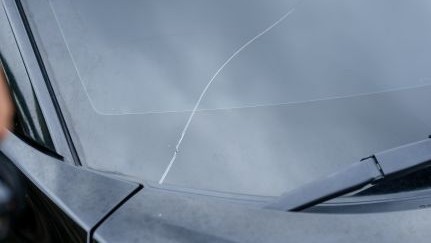
There’s no way around it; a cracked windshield is a frustrating experience. If it happens while driving, say from a rock or a piece of debris, it’s startling. It could take one small chip in the windshield to potentially become a full-fledged crack. Even though a chip may appear small, it can quickly become a more serious issue.
You’ll certainly need to get your windshield fixed, but how do you know if it’s safe to drive? How do you know if your windshield can be repaired without needing a full replacement? It’s going to depend on a few key factors, so let’s examine what they are, so you’ll know exactly what to do.
How do windshields crack?
Windshield damage comes in different shapes and sizes and is brought on by a variety of forces. Whether a cracked windshield can be repaired depends on several factors, including the type of damage.
Damage caused by impact, such as when an object like gravel, debris, or rock strikes the glass is typically quite small and can usually be quickly and easily repaired. Other types of cracks like star breaks, bull’s eyes, and half-moon cracks are named after the shape of the windshield damage. These can typically be fixed by a certified technician.[1]
Non-impact damage to a windshield is the result of changes in temperature, pressure, or faulty installation.
Types of windshield cracks
Let’s review the variety of chips and cracks you may encounter. Some of the most common cracks include:[2]
- A long crack is a linear crack that stretches over several inches. These are commonly caused by extreme hot or cold weather and sudden temperature changes, and the windshield will need a full replacement in many cases.
- An edge crack starts at the edge of the windshield due to excess pressure on the sides of the windshield and is often caused by improper windshield installation.
- Stress cracks are common in older vehicles, the result of usage that puts stress on the glass, causing it to weaken over time. Stress cracks may call for an immediate windshield replacement.
- A bull’s-eye crack is a large, round crack that occurs in the center of the windshield. It’s usually caused by road debris such as rocks or gravel. Because it may be in the driver’s direct line of sight, it should be repaired in a timely manner.
- A star break crack is a burst of short, branching cracks that resemble a star. It’s caused when an object or debris strikes the windshield. It’s best to get this crack fixed quickly because it could extend across the windshield, causing further damage that may eventually lead to a full replacement.
- A half-moon crack looks like the crescent shape of the moon. It’s often caused by the impact of a blunt object. This type of crack is easier to fix than others.
- A combination crack is a blend of a bull’s-eye and a star crack, and they’re difficult to fix. You’ll need a skilled professional to fix this type of crack and avoid causing further windshield damage.
- Other cracks that begin or end at the windshield’s edge usually cannot be fixed, and a full windshield replacement may be necessary.
When to replace a cracked windshield
A damaged windshield may not require replacement. If your car’s windshield has minor damage, it can often be repaired. But because even a minor crack can grow into a bigger problem, it’s important to address the issue as soon as possible. First, check with your insurance company to see if you have windshield repair coverage. Remember, that the later you go in for repairs, the higher chance that the windshield will need replacing as even minor chips aggravate within days. So, if you notice a crack, take it to an expert for further evaluation.[3]
How big of a windshield crack can be repaired?
The size and location of a crack or chip will determine if the windshield can be repaired or needs replacement. Chips smaller than a quarter and cracks less than a few inches are usually repairable, but if the crack is too deep or too wide, it will need replacing. Cracks away from the driver’s side also might be addressed by repairs but if it’s in the driver’s line of sight this could cause distortion and replacement would be necessary. Glassmakers also recommend replacing a windshield with a crack that extends from an edge as these cracks spread quickly and easily.[3]
Tips for fixing a cracked windshield
After you’ve evaluated the damage to your windshield, you may be debating between having it professionally fixed or fixing it yourself. Note that it’s important to take the proper precautions, buy a DIY repair kit and follow best practices if you attempt to fix this on your own. Let’s review some details to consider before you make the decision.
1. Determine when to worry about a cracked windshield
First, where’s the crack located? Is it off to the side, or is it obscuring your view? If it interferes with your ability to see the road, you should deal with even a tiny crack immediately. However, if it’s not impairing your ability to see the road, grab a ruler and measure the length of the chip or crack. This can help determine whether you can repair the windshield or need professional repair or replacement.[3]
2. Clean the area around the windshield crack
One of the most important things to guard against is dirt. If dirt gets into the crack, it can complicate a simple repair. But that doesn’t mean you should head for the car wash or reach for a bucket. If water seeps into the crack, what began as a small repair can easily become a complete replacement. Instead, you can temporarily keep dirt and moisture away from the crack by cleaning the damaged area and applying a piece of clear packing tape, which is strong but won’t obscure your view. Also, try to avoid potholes and damaged roads and slamming your doors too hard. Car vibrations can cause a small chip to spread.[1][3]
3. Use a windshield crack repair kit
If you decide to fix the issue on your own, it’s best to buy a repair kit. For cracks less than 3 inches, purchase a kit that includes an epoxy resin. Epoxy has an expiration date, so check the manufacturer’s date and choose a kit that’s less than 6 months old. Check the instructions to understand any additional items you’ll need such as a razor or utility knife, glass cleaner and cloth. When you’re doing the repair, wear gloves and protective eyewear and stay in a well-ventilated area. Most importantly, keep safety in mind and follow the instructions carefully.[3]
Tips to stop windshield cracks from spreading
1. Park indoors to avoid windshield crack growing due to the elements
Sun, snow and rain have the potential to cause windshield chips or cracks to grow. If possible, park your car under cover, where it will be protected against elements like the sun, which can cause the windshield to crack further or expand. If you don’t have a garage, try parking in a shaded spot.[4]
2. Avoid windshield crack spreading from temperature extremes
Likewise, extremely cold weather is not good for a cracked windshield because glass contracts when it gets cold. Refrain from putting your defroster or heater on high before you can tend to the issue. A temperature change of 30 degrees or more can make things worse, so don’t delay in getting a cracked windshield repaired, especially as winter is approaching.[1]
Can you drive with a cracked windshield?
A cracked windshield is a weakened windshield, which means you’re far less protected from the next incident. To know if you can drive with a cracked windshield, you have to assess where the damage is. If it is on the driver’s side and obstructs your view, then you should have it repaired immediately. The second indicator that you should not drive with a cracked windshield is if the crack threatens the structural integrity of the car. The glass strengthens the chassis and helps the roof resist being crushed in a rollover or collision.[5]
A small crack won’t significantly impact glass strength, which gives you a bit of time to get it repaired (but you won’t want to wait long). However, if the crack spiders across the windshield, if there are multiple cracks, or if the cracks start at the windshield’s edges, you should have it looked at immediately. How long it takes to replace a windshield will vary and you’ll want it done right by a certified technician.[5]
Are cracked windshields covered by insurance?
The short answer to whether damaged windshields are covered is: It depends on your insurance carrier and the policy you have. Check out more details about windshield replacement and insurance claims. It’s important to note that if you leave a crack unrepaired, it can spread or become a safety concern. Thus, get an evaluation right away.
Beyond repairing a cracked windshield, performing regular car maintenance is vital to sustaining your car in the long term. Check out the ultimate car maintenance schedule and keep your ride up to date.
Protect your vehicle from the unexpected with auto insurance
Finally, ensure that you and your vehicle are protected with auto insurance. Incidents like cracked windshields are just some of the unexpected things that can happen on the road. It is important to be prepared for the unexpected so that when something bad happens you’re covered.
Nationwide makes it easy to get the auto insurance coverage you need. Get a free car insurance quote and discover ways you can save on your policy.
Sources:
[1] “How to Prevent a Windshield Crack from Spreading,” autozone.com/diy/glass/how-to-prevent-a-windshield-crack-from-spreading (accessed February 2026).
[2] “Types of Windshield Cracks Explained,” glassdoctor.com/blog/types-of-windshield-cracks (accessed February 2026).
[3] “How to Fix Small Windshield Cracks,” autozone.com/diy/glass/how-to-fix-windshield-cracks (accessed February 2026).
[4] “How To Protect A Chipped Windshield Until Professional Repair,” msglassoutlet.com/how-to-protect-a-chipped-windshield-until-professional-repair (accessed February 2026).
[5] “Is it Safe to Drive with a Cracked Windshield?” autozone.com/diy/glass/is-it-safe-to-drive-with-a-cracked-windshield (accessed February 2026).