

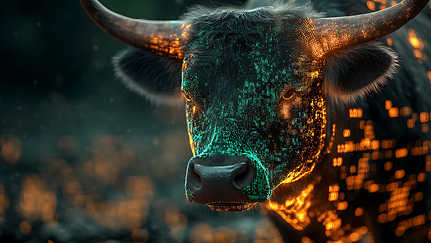
AI is a common acronym in the beef cattle business. But we’re not talking about artificial insemination.
Artificial intelligence is the science of teaching machines to learn from data. Think of this AI as a co-pilot or assistant for routine processes, data and tasks. AI can help, but it still requires human input. And it’s making its way to U.S. ranches at a rapid pace.
How is AI used in agriculture?
For farmers and ranchers, AI tools can spot complex patterns in everything from climate to animal health. An AI model creates new intelligence based on global data sets and can be applied to making well-informed decisions on your farm or ranch.
“If used properly, AI has the potential to help cattle producers," said Dustin Balsley, Chief Operations Officer for Performance Livestock Analytics, a cattle industry data innovation company. "AI can be used for advanced calculations and large data analysis. It can help ranchers create summary reports and monitor patterns. That way, ranchers can make changes to optimize things like feed efficiency and cattle marketing strategies.”
How to deploy AI in cattle farming operations
Here are a few ways AI is emerging in beef cattle production:
- Feed rations and cattle nutrition
Sensors (including boluses that when ingested by an animal can monitor ruminal activity) and cameras can collect data on each animal's eating habits, body condition and even chewing patterns. Then, an AI algorithm can recognize patterns and use that data to help ranchers make optimal decisions on things like:- Adjusting feed rations in real time
- Identifying underperforming animals quickly
- Alerting to possible health concerns or behavioral shifts
- Cattle herd health
Wearable collars, ear tags and video systems can monitor animal movement and vitals. An AI algorithm can collect that data and apply it to:- Spot lameness or illness before you could detect it visually
- Reduce labor hours spent on pen-checks
- Enable targeted veterinary intervention instead of broad treatments
- Reproductive management
Artificial intelligence software now helps track breeding cycles, predict calving dates and identify cows that may need assistance. This results in:- Improved conception rates
- Reduced calving difficulties
- Streamlined record keeping
- Predictive analytics for business decisions
AI helps crunch environmental, weather and market data to:- Fine-tune cattle marketing
- Purchase feeds at the right time
- Alter grazing rotations
“AI still has a long way to go. But in some aspects of the cattle business, it can be a game changer in decision-making for ranchers,” Balsley said. “On my family farm, we have used AI to aid in heifer selection. We’re able to turn mounds of data into quick summaries without building complex spreadsheets or relying on analytics we can’t interpret.”
Artificial intelligence considerations for ranchers
Before you invest in any new artificial intelligence tool, think about your readiness and ability to employ it as a tool, not a replacement for your own ideas, experience and expertise.
“Not all technology like this is an immediate home run,” Balsley said. “AI won’t replace you or the advisors around your operation in making decisions. There are too many variables that are specific to your operation which AI can’t factor in. I recommend looking at AI as a tool to help with redundant tasks or summarizing large amounts of data very quickly.”
AI is transforming cattle farming by enhancing nutrition, herd health, reproduction and business analytics. By managing repetitive tasks and analyzing complex data, AI can serve as a powerful complement to ranchers' expertise. When thoughtfully integrated, it can empower farmers and ranchers to streamline operations, boost efficiency and remain competitive in the ever-evolving agriculture industry.