

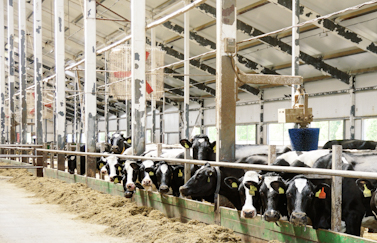
Livestock buildings, such as dairy barns, poultry houses, swine facilities and other confinement buildings, can face elevated fire risks. The risk goes up when electrical systems, heaters or gas parts are old, damaged or not maintained. Dust, moisture and corrosive air can also wear down equipment over time.
Fire prevention starts with routine inspections, code-compliant installation and replacing worn parts before they fail.
Reduce electrical fire risks
How old is your building’s electrical system?
NFPA 70B says maintenance should be based on condition, not age alone. Equipment in poor shape, harsh conditions or critical areas should be checked more often.
If you are adding fans, feed systems, ventilation or other electrical equipment, make sure the system can handle the extra load. In some cases, a full electrical upgrade is the best long-term fix.
Is the electrical system built for agricultural conditions?
Electrical equipment, wiring methods, enclosures and flexible connections should be designed for agricultural environments and installed in accordance with applicable electrical codes. Dust, moisture and corrosive conditions can shorten equipment life and increase fire risk.
Are panels, breakers and controls protected from the building environment?
Switches, receptacles, circuit breakers, controllers and fuses should be in enclosures made for dusty, damp, wet or corrosive conditions. When possible, place service equipment and overcurrent devices outside the harshest confinement areas or in a protected space. This can help slow wear and improve reliability.
Are there cords or wiring methods that could fail over time?
Protect wiring from physical damage, corrosion, rodents and other environmental hazards. Damaged insulation or improperly protected wiring can increase fire risk. Replace old cords, makeshift flexible connections and damaged wiring promptly with code-compliant materials designed for the building environment.
Are motors and light fixtures right for the building?
Motors and other rotating electrical equipment should be enclosed or designed to limit dust, moisture and corrosive particles from getting inside. Light fixtures should be rated to reduce the entry and buildup of dust, debris, moisture and corrosive material. Fixtures that could be hit should be guarded. Fixtures exposed to water should be listed for wet locations.
Heating and gas systems fire prevention
Are you using the right equipment and inspecting the system regularly?
Install, maintain and replace heating and gas systems based on manufacturer instructions and code requirements. Have regulators, valves, piping, hoses and connections checked regularly by a qualified service provider. Repair leaks promptly, cap unused lines with approved fittings and document periodic leak checks.
Is heating equipment installed and supported correctly?
Heaters, brooders and other suspended equipment should be installed according to the manufacturer’s instructions and supported by approved means. Gas lines and hoses should never be used to hold up heating equipment. If a support fails, a heater can fall and ignite combustibles, bedding or dust.
Additional ways to help prevent fire losses
Inspect heating and electrical systems before animals enter the building or before a new production cycle begins. Buildings can be more vulnerable during setup, testing and restart periods.
Do not place hot litter, bedding or other heat-generating materials against combustible walls, barriers or nearby structures. Even near metal surfaces, extra heat and moisture can shorten the life of building materials and create more maintenance problems.
Lightning does not always start a fire, but it can damage electrical systems and controls. Proper grounding and bonding are important in agricultural buildings. Surge protection can also help protect equipment.
Contingency planning
Prevention is critical, but livestock operations should also plan for a major loss. A contingency plan should outline what-if scenarios and list backup steps the operation can take if a fire disrupts normal production.
Depending on the operation, the plan may include:
- Lost revenue
- Damaged or unusable equipment
- Business interruption and downtime
- Customer, processor or contract obligations
- Animal relocation or temporary housing options
- Emergency contacts and service providers
- Fire prevention procedures and employee training
A written fire prevention and training program can help make sure the plan is effective, followed consistently and aligned with current codes and standards.
Final takeaway
Preventing livestock building fires starts with routine inspections, properly maintained electrical and heating systems, and prompt correction of deficiencies. Combined with contingency planning and a proactive maintenance program, these efforts can help reduce the risk of property loss, business interruption and harm to livestock.