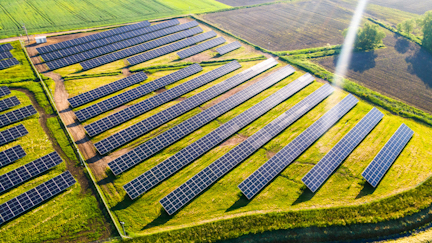
What are the main risks of solar energy systems on farms?
The primary risks include electrical faults, fire hazards, structural concerns, wind damage, maintenance deficiencies, and unclear ownership, maintenance or insurance responsibilities.
Liability concerns
Before you install a solar system, know who owns it and who will maintain it.
Many commercial and non-residential systems are owned by a third party through a lease or power purchase agreement. In those cases, the farm or building owner does not own the system. The provider may handle maintenance, but that is not always true.
The contract should clearly say who is responsible for maintenance, insurance and damage. In some cases, those duties may fall to the property owner, tenant or insured.
Main electrical risks
Solar panels are generally safe, but electrical faults, overheating, damaged wiring and poor maintenance can cause fires or electrical shocks.
Solar fires are relatively rare, but they can happen. Common causes include electrical faults, overheating and faulty wiring. That is why regular inspection and maintenance matter.
The National Electrical Code includes several safety points for Solar Photovoltaic, or PV, systems. These are especially important on farms:
- Use overcurrent protection devices listed for PV systems. Direct Current, or DC, faults are harder to interrupt than Alternating Current, or AC, faults.
- Use equipment listed and labeled for permanent PV use. Products made for marine, mobile or telecommunications use may not fit a farm installation.
- Clearly mark PV circuits so workers, maintenance crews and first responders can find conductors and disconnect points quickly.
- Use DC arc-fault protection to help lower fire risk, especially where dust or combustible material may be present.
- Make sure grounding and bonding parts match the PV modules and mounting system. This is especially important in damp, dirty or corrosive farm environments.
- Use wiring methods that help protect conductors from rodents, livestock, equipment and harsh weather. Follow Article 547 and Article 690 for agricultural and outdoor installations.
These details should be addressed early in the design and installation process. Work with qualified solar contractors and electricians who understand agricultural environments.
Roof and structural concerns
For agricultural buildings, roof condition (PDF) and load capacity should be part of the decision from the start.
Roof-mounted panels add weight to a building. That extra load must be part of the structural review. The load may include the panels, related equipment or ballast, snow and ice, and changes in wind pressure based on how the panels are attached.
Wind is another key issue. In areas with high winds or hurricanes, PV arrays (PDF) must be secured correctly. Wind uplift can pull panels loose. That can damage the roof, damage nearby property and cause injury. Panel movement can also damage the roof covering and lead to water intrusion.
Mechanically fastened panels are usually preferred over ballasted systems. Ballasts can shift over time. That can damage the roof, block drains and loosen wiring connections.
Before installation, talk with a structural engineer to make sure the building can support the system. Also work with a licensed roofing contractor who understands the roof and the type of PV system being installed. Most PV systems last 20 years or more, so the roof should have a similar service life.
Emergency preparedness
Solar systems can add risk during an emergency, especially for first responders.
Tell the local fire department about roof-mounted systems so they can update their pre-planning records. Emergency disconnects and rapid shutoff devices should also be installed and clearly marked.
Regular maintenance and inspection schedules are also important. Inspections can help find fire risks, injury hazards and equipment problems before they become costly losses. Trained in-house staff may be able to handle some routine work, but more complex work should be done by qualified contractors.
Best practices before you move forward
If you are considering solar for your farm or ranch, these steps can help:
- Use industry guidance and manufacturer instructions when planning, installing and maintaining the system.
- Review older arrays to make sure they still match current safety guidance and National Electrical Code updates.
- Talk with your insurance agent early, since carriers often review plans before coverage is issued.
- Make pre-emergency planning with the fire department a priority.
- Use overcurrent protection devices and other parts listed for PV systems.
- Make sure equipment is listed and labeled for permanent PV installations, not for marine, mobile or telecommunications use.
- Clearly mark PV circuits, disconnects and conductors so workers, maintenance teams and first responders can identify them quickly.
- Work with qualified contractors on arc-fault protection, grounding, bonding and wiring methods that can stand up to dust, moisture, corrosion, rodents, livestock and outdoor conditions.
A balanced approach to solar on the farm
Solar energy can be a smart investment for farms and ranches. It can help manage energy costs, support sustainability and improve long-term efficiency.
But the benefits are strongest when the system is installed correctly, matched to the building, maintained over time and included in a broader risk management plan.
Sources
National Fire Protection Association,
NFPA 70, “National Electrical Code,” Article 690, “Solar Photovoltaic (PV) Systems”
National Fire Protection Association,
NFPA 70, “National Electrical Code,” Article 547, “Agricultural Buildings”