

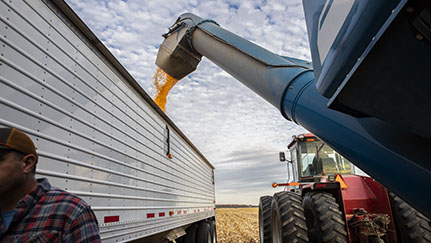
For farmers and ranchers across the country, National Farm Safety and Health Week is a chance to pause, take stock of the risks they face and put smart practices in place to protect themselves, their families and farm workers.
This year’s National Farm Safety and Health Week runs September 21-25, 2026, and shines a spotlight on health and safety issues that are hugely important to farmers and farm families. According to 2022 data from the U.S. Bureau of Labor Statistics, farming remains the most dangerous job in America, with 417 fatalities recorded that year.
Turning awareness into action
As director of the National Education Center for Agricultural Safety, firefighter and paramedic Dan Neenan has become a leading voice for National Farm Safety and Health Week. Over the past two decades, he has developed hands-on safety and rescue programs for farmers and first responders.
"We work year-round to develop safety and rescue programs for farmers and their families,” Neenan said. “The real value of National Farm Safety and Health Week is simple: It turns awareness into action. And action is what saves lives.”
2026 daily topics and focus areas
National Farm Safety and Health Week 2026 features a new safety theme each day. As a leading provider of agricultural risk management solutions, Nationwide is proud to support these daily topics, helping you protect your family and team.
Monday, September 21: Equipment and rural roadway safety
Harvest puts more tractors, combines and grain trucks on rural roads than any other time of year. That mix of slow-moving equipment and faster vehicle traffic creates real danger, both in the field and on the road.
In addition to some new technology tools that can help, a few straightforward habits go a long way in ensuring equipment and rural roadway safety:
- Check your lighting and marking. Make sure slow-moving vehicle emblems are clean, visible and reflective before you hit the road. Make sure all lighting — including flashers for visibility on the roadway — are intact and functional.
- Inspect equipment before every use. Confirm guards, shields and PTO covers are in place and functional. Check all engine fluids and tires to ensure safe operation.
- Manage fatigue. Long days behind the wheel dull reaction times. Build in breaks and rotate operators when you can.
Building safe habits is key to reducing risks on rural roads. Nationwide’s Drive the 5 safety program promotes vehicle readiness and safe behaviors like staying focused, avoiding distractions, keeping a safe following distance and adjusting your speed to match weather and road conditions.
Tuesday, September 22: Health and wellness
Physical hazards get most of the attention, but a farmer's health and mental well-being are just as critical to a safe operation. Stress, isolation, long hours and financial pressure all take a toll. And a tired or overwhelmed operator is a more vulnerable one.
This day is a reminder to care for yourself the way you'd care for your land and livestock:
- Don't skip the checkups. Routine medical and hearing screenings catch problems early.
- Take mental health seriously. Reach out to family, neighbors or a professional when the weight gets heavy. You're not alone, and asking for help is a sign of strength.
- Watch for warning signs of exhaustion. Fatigue is a safety issue, not just a comfort issue.
- Address the stigma of hearing loss. And add preventative measures whenever working around loud equipment or machinery.
Wednesday, September 23: Generations of farming
The risk of burnout and constant safety concerns can take a toll on farmers and their families. Hazards like operating machinery, handling livestock and working with chemicals can cause a lot of stress that can create mental health challenges. This calls for attention to mental health, an area of care that often comes with a stigma in farm communities.
Farm families can strengthen farm safety and well-being — mental and physical — a few ways:
- Open communication. Regular discussions can help identify potential hazards and create safety protocols to mitigate risks.
- Work-life balance. This is a big way to help prevent burnout. Incorporate scheduled breaks and delegate tasks to lighten the physical and emotional load.
- Education. Learning about things like mindfulness can help manage stress.
Focusing on teamwork, safety awareness and mental health, farm families can create productive, healthy farms where they work and live.
Thursday, September 24: Confined spaces
Grain bins, silos and manure storage areas rank among the most dangerous places on any farm. Grain entrapments can happen in seconds, and confined spaces can hold toxic gases or oxygen-deficient air that overwhelm a person before they realize anything is wrong.
The safest approach is to stay out of a grain bin whenever possible. When entry is unavoidable, take precautions seriously:
- Never enter alone. Always have a spotter and use a harness and lifeline.
- Lock out unloading equipment. Flowing grain can bury a person in moments.
- Test the air. Confined spaces can contain deadly gases.
Friday, September 25: Cancer prevention
Pesticides, herbicides and fertilizers are part of modern agriculture. But some contain compounds that with prolonged or improper exposure are linked to serious illnesses like cancer.
A few habits can reduce your exposure:
- Wear the right protective equipment.
- Read and follow every label.
- Store and dispose of chemicals properly.
- Wash up thoroughly.
Make farm safety a year-round commitment
While National Farm Safety and Health Week is observed each fall, farm safety should be a year-round priority. "The real goal of the week is to build habits and plans that protect your family, your workers and your operation 12 months a year," Neenan said.
Your Nationwide Farm Certified Agent understands the unique risks of your operation and can help you build a plan tailored to your farm, from comprehensive coverage to proactive risk management strategies. Reach out to your agent to learn more ways to prioritize health and safety on your operation.