When it comes to winter driving, snow tires and chains can help you navigate the roads more safely. Learn about how they work, the conditions they’re best for and how to choose the best option for you.
When it comes to winter driving, snow tires and chains can help you navigate the roads more safely. Learn about how they work, the conditions they’re best for and how to choose the best option for you.
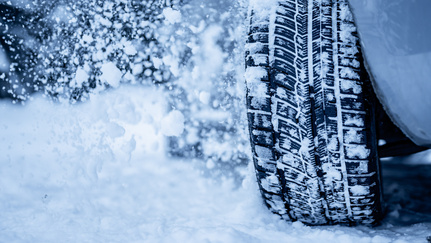
The rubber in snow tires is made to be flexible in the cold, which helps give them a good grip on winter roads. Snow tires also have sharp edges and small cuts to help with traction. They work best when driving on paved roads that have frozen (with or without snow), on packed snow, on icy roads and deeper snow-covered roads.[1]
To provide more grip, studded snow tires include metal spikes, or studs, in the treads. They work best when driving on ice and packed snow.[1]
Snow chains wrap around tires to offer more traction, guard against slipping and prevent wheels from spinning. They work best when driving in heavy snow and mountainous areas.[2]
There are a few things to consider as you evaluate the differences between snow tires and chains and decide what option is best for your driving needs.
Once you decide on the best option for your situation, there are a few steps you can take to keep snow chains and snow tires in top condition.
Find out more about protecting your car in the winter and throughout the year with the right auto insurance.
Product, coverage, discounts, insurance terms, definitions, and other descriptions are intended for informational purposes only and do not in any way replace or modify the definitions and information contained in your individual insurance contracts, policies, and/or declaration pages from Nationwide-affiliated underwriting companies, which are controlling. Such products, coverages, terms, and discounts may vary by state and exclusions may apply.
The information included here is designed for informational purposes only. It is not legal, tax, financial or any other sort of advice, nor is it a substitute for such advice. The information may not apply to your specific situation. We have tried to make sure the information is accurate, but it could be outdated or even inaccurate in parts. It is the reader’s responsibility to comply with any applicable local, state or federal regulations. Nationwide Mutual Insurance Company, its affiliates and their employees make no warranties about the information nor guarantee of results, and they assume no liability in connection with the information provided.