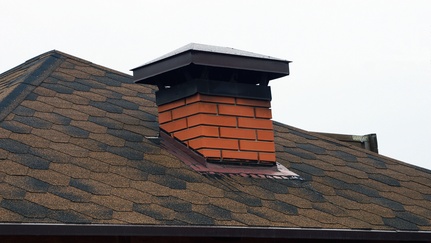
Why is chimney cleaning important?
Regular chimney cleaning helps prevent creosote and soot buildup. This helps ensure the safety of your home by reducing fire hazards and allowing proper ventilation of harmful gases such as carbon monoxide. Cleaning your chimney regularly also improves efficiency, can help cut energy costs and protects your heating system from damage, which can extend its lifespan and performance.[1]
What happens if you don’t clean your chimney?
Creosote buildup in chimneys is a significant fire risk and can cause severe home damage. Even if you clean your chimney regularly, annual inspections by chimney professionals are essential for identifying venting issues and structural damage.[2]
How often should you have your chimney cleaned?
You should clean your chimney at least once a year — specifically, in the early fall when the roof is dry. If any of the following describes your situation, you might want to clean your chimney more frequently or immediately:[3]
- You use the fireplace often
- You burn green wood
- You burn artificial wood
- Soot and creosote fall into the firebox
- Creosote is more than 1/8 inch thick
How to tell if your chimney needs cleaning
It’s important that you recognize the signs that your chimney needs to be cleaned for the safety of your home heating system. Here are the things to watch out for:[1]
- Noticeable creosote buildup: Shine a flashlight up your fireplace opening and look for creosote buildup; it can appear as a black or brown flaky, ashy or tar-like substance on the interior of the chimney.
- Smoky smell in your home: If your home smells like smoke even when you aren’t using your fireplace, this could be a sign of creosote buildup. You may notice the smell more often during humid or rainy weather.
- Slow-burning fires: If your fires aren’t burning as strongly as usual, your chimney could be somewhat blocked. This can stifle your fires and send smoke into your living space instead of up the chimney.[1]
Helpful tools for chimney cleaning
Here are some useful tools that can help clean a chimney:[1]
- Chimney cleaning brush
- Cleaning brush multiple extension rods (they come in different sizes so knowing the measurements of the chimney flue is important)
- Shop vacuum with filter
- Tarp or drop cloth
- Eye protection
- Gloves
- Mask with an appropriate filter
- Ladder
- Flashlight
Step-by-step guide to chimney cleaning
It’s advisable to contact a reputable professional for some home maintenance jobs, especially when the maintenance task requires special safety equipment or dangerous situations, such as getting on the roof of your home. Doing potentially dangerous jobs correctly requires proper experience and equipment, including specialized safety gear. When it comes to cleaning your chimney, consider getting in touch with a professional chimney sweep.
When cleaning a chimney, here are the steps:[1]
- Remove the chimney cap.
- Scrub chimney with brush: Insert the chimney brush into the chimney and scrub up and down. Once you’ve reached the highest or lowest area the brush can reach, add more rods to the brush to extend the area you can clean.
- Clean the smoke shelf and firebox: Brush away all soot from the smoke shelf and thoroughly clean every surface of the firebox.
- Remove all debris: Use a shop vacuum to help clear away all loosened debris.
- Replace chimney cap: After confirming that all creosote has been removed, secure the chimney cap back into place.
How to prevent creosote buildup
Prevent creosote buildup in your chimney by consistently using dry, seasoned wood. It’s crucial to store your firewood in an area that is dry, ventilated, and covered. Another good tip is to avoid smoldering fires or closing the damper too soon when you put the fire out. Open your chimney’s damper to ensure a proper draft while burning the fire.[1]
If you have concerns about your chimney or aren’t sure you can safely clean it yourself, don’t hesitate to seek professional help. If you decide to clean the chimney yourself, make sure you take the proper safety precautions.
And don’t forget to protect yourself and your home with the appropriate homeowners insurance.
Sources
[1] “How to Clean Your Chimney,” thisoldhouse.com/fireplaces/21166540/when-and-how-to-clean-your-chimney (accessed January 2026).
[2] “How to Clean a Chimney: The Best Cleaning Tips and Steps,” familyhandyman.com/project/how-to-clean-a-chimney/ (accessed January 2026).
[3] “How to Clean a Chimney,” forbes.com/home-improvement/roofing/how-to-clean-a-chimney/ (accessed January 2026).