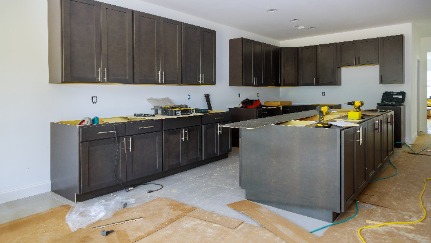
Are you renovating your home? Whether you do it yourself or hire a professional, make sure you do it right the first time. Home projects can take a big bite out of your budget and your time if they’re not done properly.
Common home renovation mistakes
Consider these common home renovation mistakes to avoid:
1. Setting an unrealistic budget
Renovations often cost more than expected. Build in an extra 20% to your budget to be better prepared for any surprises.
2. Avoid over-designing your space
Additions don’t need to be the same style as the original structure. However, they do need to complement it to help with resale value and to look and feel great while you’re living in them. Fresh, updated looks are great, but consider resale value, too. Trends are short-lived, while good design lasts forever. Consider the entire project — the floor, wall color, cabinetry, lights and other elements — and how these pieces all work together to create a cohesive look.
In addition, your finished home remodel should complement your neighborhood. Homes that are significantly different from neighboring homes can look awkward and may not offer the return on investment that you were anticipating. Don’t hesitate to consult a designer if you have questions.
3. Sacrificing function for form
Think about how you’ll actually live in the space. Consider door, window, and outlet placement, as well as traffic patterns throughout the home.
This is particularly important in kitchens. Consider the “work triangle” between refrigerator, sink and stove to ensure that you enjoy the functionality of the new design and can use the space efficiently.
Finally, check your plans to ensure that doorways and halls are wide enough to allow appliances and furniture to pass through easily
4. Buying furniture and home décor too early
Wait to buy the perfect appliances, flooring, furniture, and other materials until the project plans are finalized and the project is far enough along for measurements to be accurate. Otherwise, you risk buying the wrong quantities of materials or ordering appliances that won’t fit.
Consider re-doing your carpeting or flooring in November or December. Many home improvement chains offer attractive sales before the holidays, and contractors tend to be more willing to negotiate during their slow time of the year. If you do, consider ordering enough material to complete the job, plus extra to account for installation wastage and defects.
5. Focusing on appearance
Focus on elements that add long-term value to your home, such as storage and elements that aren’t just cosmetic. Be sure to address any structural or safety issues, such as updating the electrical system or ensuring foundations and subflooring are sound. Doing so will help avoid damaging your new, beautiful finishes to fix potential problems later. For example, installing an expensive wall treatment but skimping on flooring may not be the best option.
Consider the specific features that can make the renovation work for you. Although pantry pullouts, toe-kick storage and similar features that make your kitchen more efficient are things you can add later, this could cause potential damage to the materials you’ve already updated. Installing them during your current home renovation can save you time and money.
6. Buying cheap materials
Select durable, high-quality materials that you won’t need to replace within a few years. Building materials aren’t the place to economize.
7. Choosing contractors on a whim
Don’t rush your decision on hiring a contractor. Interview multiple contractors and reach out to their references and previous clients. Make sure each contractor understands what you want. Don’t hesitate to ask them questions about materials, layout and the construction process. Don’t select your contractor based on price alone; compare price quotes and references and make sure you can work with them easily.
In addition, consulting architects or designers to fine-tune your plans is invaluable in terms of spotting issues you may have overlooked. These professionals can help make your plans more functional and efficient.
8. Measuring incorrectly
It is important for DIY home renovations to have correct measurements. The adage “measure twice but cut once” can save countless delays and money. Being off even a fraction of an inch can have big repercussions, causing poor fits and reordered materials.
9. Ignoring lighting
A lighting specialist can help you design a lighting plan to place and size your combinations of general, task, accent and smart lighting. This creates a well-lit, welcoming and usable environment.
10. Skimping on window quality
Having high-quality windows with the right thermal protection for your climate can keep your home comfortable in every season. Skimping here can have a direct impact on utility bills and overall contentment in your home.
11. Not doing the prep work
Doing a project right the first time requires preparing properly, whether that means re-taping, spackling and priming walls before painting or doing structural work before re-flooring. Doing it now saves time and money later.
12. Neglecting curb appeal
Landscaping is the first thing you, your guests or even potential buyers see when they arrive. And it can often set an expectation of what your home looks like inside. Sprucing up the yard, even on a budget, can have an instant and positive effect on how you and others view your home.
13. Unrealistic expectations
Remodeling can be messy, noisy and inconvenient even in the best circumstances. Do some research before you begin work so you can better understand what to expect before, during and after your home renovation.
Spring or summer might seem like the perfect time for a major interior remodeling job, but consider the winter, when interior remodeling contractors are often not so busy.
As a result of having free time, contractors will be more inclined to negotiate. If you time your project right, you can really save on home renovation costs. Don’t forget to ask for at least three estimates, as well.
14. Working without a permit
If you have a contractor, he or she will likely get any necessary building permits. However, to make sure there are no issues later, you should check with your county or local municipal building department to determine whether a permit is needed for your specific project. Unpermitted projects are often torn down. If you ever sell your home, the resale value or the actual sale itself may be affected.
15. Underestimating the safety risks
Neglecting your own safety will not only impede your project, but it can also cause you serious physical harm. Always wear protective clothing such as work boots, safety goggles, hearing protection and gloves when working. Keep a first aid kit handy.
Make sure to consider these home renovation tips prior to renovating your home. There are many things to consider when renovating or adding on to your home, and these changes can often necessitate some adjustments to your homeowners insurance policy.